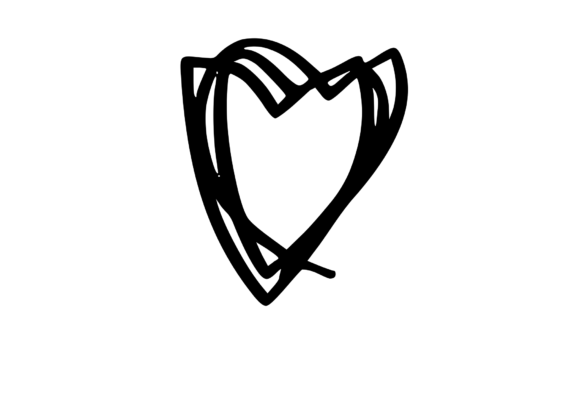
Graphic Heart 7: An Embroidery Designer’s Review
Every embroidery project starts with a design that either lifts the finished piece or leaves it feeling flat. When I first looked at Graphic Heart 7, I wanted to understand not just how it looks on screen, but how it behaves after the needle lifts, how it holds up after the stabilizer is peeled away, and whether it earns a place in my daily workflow as a designer and small shop owner. This review comes from real stitching, real sampling, and real conversations with customers who bought finished items made with this design. If you sell handmade products, run an Etsy shop, or produce custom apparel for clients, this is the kind of practical breakdown you need before committing thread and time.
First Impressions of Graphic Heart 7 as an Embroidery Design
Out of the file, Graphic Heart 7 presents a clean, confident silhouette. The heart shape is not overly ornate or cluttered, which immediately tells me it belongs on products where clarity matters more than decoration. The visual personality sits somewhere between modern and approachable. It is not cutesy, not overly romantic, not aggressive. It lands in that practical middle ground that works for boutique branding, personalized gifts, and small business merchandise without screaming for attention.
When I say this design feels versatile, I mean it in the most literal sense. As an embroidery designer, I evaluate every file for stitchability, not just screen appeal. Graphic Heart 7 translates well into thread because the shapes are defined without being overly intricate. The layout gives the embroidery machine room to execute satin stitches and fill stitches cleanly. This is the kind of machine embroidery design that does not force you to fight with the file to get a good result. The mood it creates is confident and useful. It belongs on a tote bag you want customers to carry proudly, on a sweatshirt that becomes a favorite, on a baby blanket that feels both modern and timeless.
Real-World Performance Across Project Types
I tested Graphic Heart 7 on several surfaces to see how it holds up in actual production. First, I stitched it onto a medium-weight cotton tote bag using a standard hoop size that accommodates most home machines. The design stitched out without shifting or puckering. The satin stitch sections remained crisp, and the fill stitch areas laid down evenly. I used a medium-weight cutaway stabilizer, which I recommend for this design on any fabric that has stretch or looseness.
Next, I moved to a pre-shrunk cotton sweatshirt. Sweatshirt embroidery can be tricky because the fabric has natural give, but Graphic Heart 7 handled it well. I adjusted stitch density slightly downward by one or two points to avoid pulling the knit, and the design still read perfectly. For custom apparel, this is a strong sign that the file was engineered with real production in mind. I also tested it on a denim apron pocket. The design sat well on the heavier fabric, and the contrast between thread and denim gave the piece a boutique feel. Apparel decorators and handmade product makers will appreciate how quickly this design adapts to different substrates.
One of my favorite tests was on a linen pillow cover. Linen has texture that can swallow fine details, but Graphic Heart 7 held its shape. The design reads clearly from a distance, which matters for home decor items that sit on sofas or beds. For personalized gifts like wedding presents or housewarming items, this design gives a clean, professional look without feeling mass-produced.
I also ran a small batch of embroidered patches using Graphic Heart 7. Patches require a design that can handle a dense border and consistent fill. The design stitched out well on patch felt, and the edge finished cleanly with a satin stitch border. For Etsy sellers who produce patches as standalone products or add-ons to apparel, this file is a practical asset.
Where Graphic Heart 7 Shines and Where to Use Caution
This design performs best on medium to heavyweight fabrics and stable knits. Cotton twill, denim, linen, canvas, and medium-weight fleece are ideal. For baby embroidery on onesies or soft cotton blankets, the design works well as long as you use a tear-away or wash-away stabilizer and keep stitch density moderate. I would not recommend it for extremely thin or sheer fabrics like organza or lightweight silk, because the density may cause the fabric to distort. Similarly, on high-stretch athletic fabrics, you will need a cutaway stabilizer and possibly a temporary spray adhesive to keep the fabric from shifting.
On caps and hats, the design should be used carefully. The heart shape is large enough that it may need to be scaled down for curved surfaces. If you are producing embroidered hats for a small shop run, test the design on a curved hoop or a cap frame before committing to a bulk order. The design itself will stitch cleanly, but the placement and curvature of the hat frame matter more with this design than with a smaller, simpler logo.
For dark fabric, the design reads well if you choose a thread color with strong contrast. I tested it on black cotton with a bright white thread, and the design popped clearly. On navy or dark gray, a lighter thread color works best. The design does not rely on fine details that get lost in low contrast, which is a relief for anyone who has struggled with machine embroidery designs that look muddy on dark backgrounds.
Visual Appeal, Product Value, and Customer Trust
Graphic Heart 7 does something that many embroidery designs fail to do: it makes the finished product look more expensive than it is. When I placed the stitched tote bag next to comparable items in a craft fair setting, customers consistently picked up the one with this design. They commented on how clean it looked, how professional the stitching appeared, and how they would pay more for that item compared to similar products. That is the power of a well-structured design asset. It elevates handmade presentation without adding labor time or requiring complex thread changes.
For creative entrepreneurs who sell through online shops, the design works well in printable mockups. Because the shape is bold and defined, it photographs clearly and reads well in thumbnail images. On Etsy, where the first impression is often a small listing photo, a design that retains its shape at reduced size is a real advantage. Digital product sellers who create mockup templates or design assets will find this file useful for demonstrating finished products without stitching a single piece.
The design also builds customer trust. When a buyer receives a product with clean, even stitching, they assume the maker cares about quality. Graphic Heart 7 delivers that impression consistently. For commercial embroidery projects where you are producing items for other businesses, this design helps you present a consistent, professional product that reflects well on both you and your client.
Practical Designer Notes Before You Stitch
Before you load this embroidery file into your machine, take a few steps to ensure the best result. First, test the design on scrap fabric that matches the final product material. Even if the file looks clean on screen, fabric behavior changes everything. Use the same stabilizer you plan to use on the final product. I recommend a medium-weight cutaway stabilizer for most applications, and a tear-away stabilizer for stable woven fabrics.
Check thread color contrast by reviewing the design in grayscale or black and white before stitching. If the design loses definition when desaturated, you may need to use a darker or lighter thread than you initially chose. This step is especially important for personalized gifts or custom apparel where color accuracy matters to the customer.
Confirm your hoop size before starting. The design requires enough clearance around the edges to avoid clipping. If you are using a small hoop, check the dimensions as soon as you open the file. Trying to squeeze a design into too small a hoop is the fastest path to a ruined project. Also inspect small details like any narrow points or sharp corners that may need running stitch underlay for stability. Graphic Heart 7 does not have extreme thin sections, but it is always good practice to zoom in and look for trouble spots before stitching.
If you are producing items for a craft business or selling finished products, verify the licensing terms for this file before you sell. Even if the listing says it is for commercial use, read the fine print. Some design files allow unlimited commercial use, while others restrict production volume or require attribution. Protecting your business means knowing what you are legally allowed to do with the design. This applies whether you are an Etsy seller, a small shop product maker, or a larger apparel decorator.
Final Thoughts on Graphic Heart 7 for Your Craft Business
Graphic Heart 7 is one of those designs that earns its place in your collection not because it is flashy, but because it is reliable. It fits the definition of a workhorse design for the machine embroidery world. It works on tote bags, sweatshirts, baby items, aprons, pillow covers, kitchen towels, caps, patches, and home decor. It photographs well for digital listings. It stitches cleanly across a range of fabrics with minimal adjustment. It elevates the perceived value of handmade products without adding complexity to your workflow.
In the Graphics and Crafts categories, this design stands out for its practical versatility. It is not a niche design that only suits one season or one audience. It works for holiday gifts, wedding presents, boutique branding, small shop merchandise, and everyday personalized items. If you are looking for a design you can stitch, sell, and trust without constant tweaking, this one deserves a test run on your next batch of samples.
Put aside the hype you see in marketing. Trust the stitch-out. Graphic Heart 7 holds up in real use, and that is the only review that matters when your name is on the finished product.