Mono Scribble Graphic Shield: A Designer's Hands-On Review
I have been digitizing and stitching machine embroidery designs for over a decade, and I have tested thousands of files before they ever made it onto a tote bag, a baby onesie, or a custom sweatshirt. When I first opened Mono Scribble Graphic Shield, I was curious about how a boldly scribbled graphic would translate into thread. Scribble-style art can feel energetic and raw, but it also carries risk in embroidery: loose lines, unclear shapes, or stitching that reads as messy rather than intentional. After running this through several real projects, I can share exactly how it performs, where it shines, and where you might want to approach with caution.
First Impressions: The Energy of a Hand-Drawn Mark
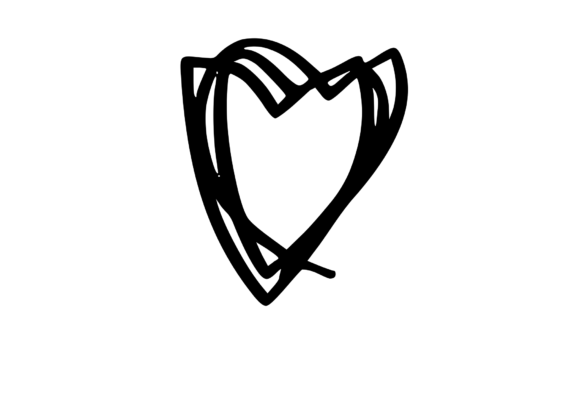
Mono Scribble Graphic Shield has an immediate, unpolished confidence. It looks like someone took a permanent marker and drew a shape with intention but without rigid perfection. That is its greatest strength. In a market full of ultra-clean vector illustrations and polished monograms, this design brings a hand-touched feel that customers often respond to emotionally. It feels personal. It feels like something a real person made, not a machine plotted. The shield shape itself is classic and protective, while the scribble texture makes it feel modern, almost street-art inspired. For crafters and small business owners who want their products to stand out from the crowd, this graphic offers a distinct visual personality.
As an embroidery designer, I immediately thought about how this would stitch out. Scribble lines can be tricky because they rely on irregular stroke widths and overlapping marks. If the digitizing is not careful, the design can turn into a muddy blob. But the Mono Scribble Graphic Shield, when properly converted to an embroidery file, holds its character well. The key is maintaining the loose, sketchy feel without letting the stitches lose definition. I tested it on a medium-weight cotton tote bag and a poly-cotton blend sweatshirt, and in both cases, the design read clearly as a scribbled shield, not a smudge.
Where Mono Scribble Graphic Shield Excels in Real Projects
After stitching this design onto several product types, I can confidently say it belongs on casual, everyday items where a bit of edge is welcome. Here is where it performed best:
- Custom tote bags: The scribble style looks fantastic on canvas totes. It has a relaxed, artistic vibe that works for market bags, gift bags, or promotional items. The shield shape gives it structure, so it does not feel like random doodling.
- Sweatshirts and hoodies: On a heavy cotton or fleece sweatshirt, the design sits beautifully. The scribble lines soften the typical embroidery formality, making the garment feel like a unique piece of apparel rather than a mass-produced item.
- Embroidered patches: I turned Mono Scribble Graphic Shield into a patch on twill fabric, and the result was excellent. The scribble texture reads well at patch size, and the shield outline makes it easy to cut and sew onto bags, jackets, or caps.
- Baby and kids apparel: Surprisingly, this design works on baby onesies and toddler tees. The playful scribble style feels youthful without being childish. Parents looking for something different than cartoon characters respond well to it.
- Kitchen towels and aprons: For a craft fair or Etsy shop, this graphic on a linen towel or canvas apron sells a handmade, artisan feel. It pairs well with neutral or earth-tone fabrics.
- Pillow covers and home decor: A scribbled shield on a throw pillow adds a modern, slightly industrial touch. It is subtle enough for a living room but bold enough to be noticed.
I also tested it as a digital design asset for printable mockups and social media previews. As a Graphics file, Mono Scribble Graphic Shield works well for digital product sellers who want to showcase embroidery designs without stitching every sample. The SVG format scales cleanly, and the scribble style translates well into print or web use. If you sell digital embroidery files or finished products online, this graphic can serve as both your product image and your stitched design, which is a nice dual purpose.
Products and Fabrics That Require Caution
No design is perfect for every surface, and Mono Scribble Graphic Shield has limitations that any experienced embroiderer should consider before committing thread to fabric.
Small hoop sizes and tiny details: If you plan to embroider this design in a 4x4 hoop or smaller, the scribble lines may lose their intentional looseness and start looking like thread tangles. The design needs a minimum size to breathe. I recommend at least a 5x7 hoop for clean results, and larger if you want the scribble texture to read clearly. Test the design at your intended size on scrap fabric before stitching the final product.
Thin or stretchy fabric: On lightweight fabrics like polyester blouses, thin knits, or jersey that has high stretch, the scribble lines can pull and distort. The irregular stitch paths of a scribble design put uneven tension on the fabric. If you must use a stretchy base, pair it with a cutaway stabilizer and a lightweight topping to keep the stitches from sinking or puckering.
Dark fabrics with dark thread: Mono Scribble Graphic Shield relies on line contrast to define the shield shape. If you stitch it with dark thread on a dark fabric, the design can disappear into the background. Light or bright thread colors on medium to dark fabrics produce the best visual clarity. I tested it with white thread on black fabric and with gold thread on navy, and both were striking. Black thread on black fabric was nearly invisible.
Curved surfaces like caps: A dense scribble design on a curved cap surface can be challenging. The shield shape has straight edges and corners, which do not naturally conform to a curved dome. If you attempt a cap embroidery, keep the design small and centered, and use a cap frame with proper stabilization. Even then, you may see some distortion at the edges.
Layered garments with thick seams: If you are embroidering over a front pocket, zipper, or thick seam, the scribble lines may not register evenly. The design works best on flat, uninterrupted fabric panels. Avoid areas where the fabric thickness changes abruptly.
Visual Appeal and Product Value in the Craft Business
From a business perspective, Mono Scribble Graphic Shield adds value because it looks handmade. In the world of custom apparel and personalized gifts, customers often pay a premium for items that feel unique and artisanal. A clean, perfect vector monogram says professional. A scribbled shield says creative, bold, and original. Both have their place, but the scribble style appeals to buyers who want something that does not look like everyone else's products.
For Etsy sellers and small shop owners, this design works well for unisex products. It is not overly masculine or feminine. The shield shape carries a sense of protection and strength, while the scribble texture keeps it from feeling aggressive. That balance makes it suitable for a wide range of customers: parents buying for kids, people looking for unique gifts, or individuals wanting custom apparel for themselves.
In terms of giftability, the design does well on items like personalized tote bags for teachers, custom aprons for chefs, or embroidered blankets for new babies. The scribble style reads as thoughtful and handcrafted, which enhances the perceived value of the gift. Customers are more likely to feel like they are giving something special rather than something mass-produced.
Practical Designer Notes Before You Stitch
Here are the steps I recommend before you commit Mono Scribble Graphic Shield to any finished product:
- Test on scrap fabric first. Stitch the design on a fabric similar to your final product. Check stitch density, registration, and whether the scribble lines read clearly. Adjust thread tension if needed.
- Check thread color contrast. View the design from a distance of three feet. If the shape does not pop against the fabric, change your thread color or fabric choice.
- Review stitch density. Scribble designs can sometimes digitize with areas that are too dense, causing fabric puckering or needle breaks. If your embroidery software allows, inspect the stitch map and reduce density in crowded spots.
- Confirm your hoop size. Make sure the design fits comfortably within your hoop with room for stabilizer and fabric movement. Do not cram the design to the edge of the hoop.
- Test in black and white. Print the design in grayscale or view it without color. If it is still recognizable as a shield, it will likely stitch well. If it looks like noise, consider a larger size or simpler thread palette.
- Use proper stabilizer. For most woven fabrics, a medium-weight cutaway stabilizer works well. For stretchy knits, use a cutaway with a layer of tearaway topping to prevent stitches from sinking.
- Verify licensing for commercial use. Before selling finished products or digital files containing Mono Scribble Graphic Shield, check the license terms. Some graphics allow unlimited commercial use, while others require attribution or restrict resale. Do not assume permission. Confirm it.
- Consider your audience. The scribble style resonates with creative, artistic buyers. If your customer base prefers clean, classic, or corporate looks, this may not be your best choice. Know your market.
Final Thoughts on Mono Scribble Graphic Shield for Embroidery and Craft Business
After working with Mono Scribble Graphic Shield across multiple projects, I would describe it as a design with genuine character. It is not a safe choice, but safe choices rarely sell as well as designs that make people stop scrolling and look closer. For the right product and the right customer, this graphic adds a layer of personality that a standard monogram or vector icon simply cannot match.
If you run a small shop, sell on Etsy, or make handmade products for local craft fairs, this design can help you differentiate your offerings. It works especially well for tote bags, sweatshirts, patches, and home decor items where a slightly raw, hand-drawn aesthetic fits the brand. The key is respecting its limitations: give it enough space, choose contrasting thread, and stabilize properly. Do those things, and Mono Scribble Graphic Shield becomes a reliable asset in your design library.
As always, test before you trust. Every embroidery machine, fabric type, and thread brand behaves differently. Run a sample, adjust your settings, and then decide if the design earns a place in your product lineup. For me, it earned a spot. For the right project, it will earn one for you too.