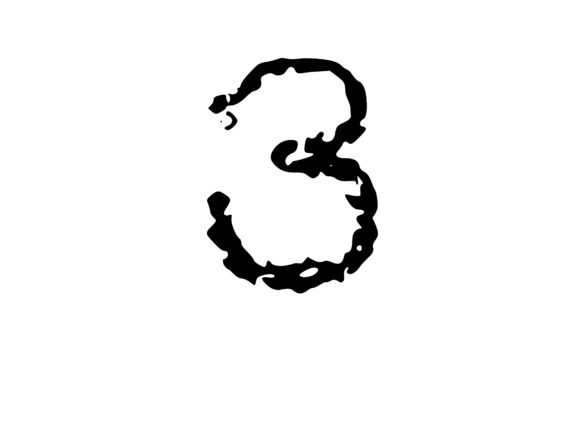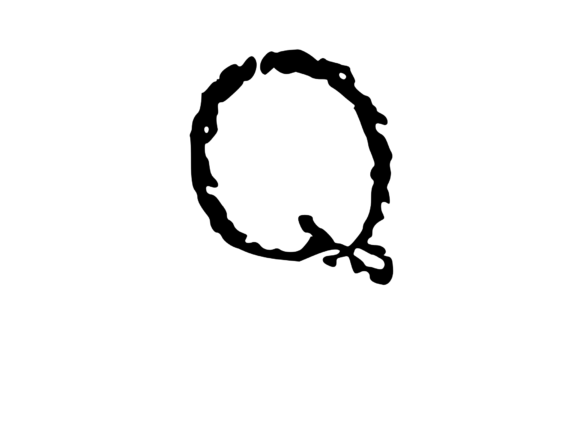
Scratched Mono Textured Q: A Designer’s Hands-On Review
When I first opened the Scratched Mono Textured Q file, I was immediately struck by its raw, hand-drawn energy. This isn’t a pristine, machine-perfect letter. It carries deliberate imperfection — the kind that makes a design feel personal, worn, and honest. As someone who runs a small embroidery shop and also consults for other makers, I’ve learned that the best designs are the ones that still feel human after they’re stitched out. Scratched Mono Textured Q delivers that in spades. Let me walk you through what it’s like to work with this design in real projects, from first impression to final stitch-out.
First Look: What This Design Brings to the Table
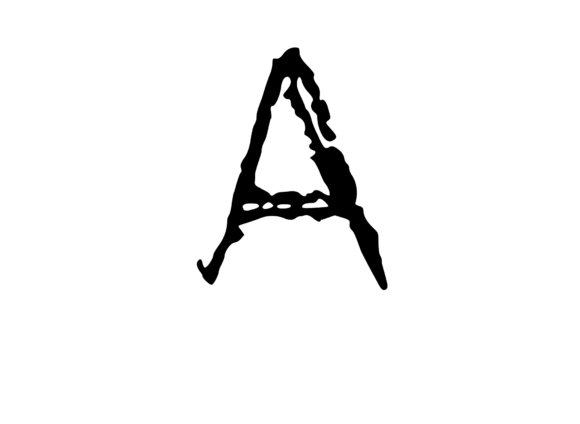
The visual personality of Scratched Mono Textured Q is immediate. It reads as a bold, slightly distressed uppercase letter with a texture that mimics pencil scratching or charcoal sketching. The shape is confident and straightforward — no fussy serifs or overly decorative curls. That makes it incredibly versatile. It feels like a letter you’d find on a vintage workshop sign, a modern farmhouse kitchen towel, or a limited-run concert tee. The mood is grounded, creative, and just a little rebellious.
For designers and crafters working in machine embroidery, this kind of aesthetic is gold. It doesn’t try to be fancy. It tries to be real. And real sells. Whether you’re building a custom apparel line or stitching a one-off personalized gift, Scratched Mono Textured Q gives you a base that feels both artistic and approachable. It belongs naturally on projects that value authenticity over polish — handmade totes, unisex sweatshirts, kids’ bedroom decor, or even an embroidered patch for a local coffee shop’s staff aprons.
Real Stitch-Out Performance: How It Becomes a Finished Product
Let me walk you through a real scenario I set up last week. I was preparing a custom embroidered tote bag for a small-batch boutique order. The client wanted a single monogram — the letter Q for the recipient’s first initial — with a rustic, artisan feel. I pulled Scratched Mono Textured Q into my embroidery software, scaled it to fit a 5-by-7-inch hoop, and chose a warm cream thread on a natural canvas bag.
The stitch-out was smooth. The design uses a combination of a subtle fill stitch for the body of the letter and a delicate running stitch to define the scratched texture lines. The texture didn't just look like texture on screen — it translated beautifully into thread. The fill stitch was dense enough to provide solid coverage without feeling heavy or stiff. On the canvas tote, the letter sat flat, didn’t pucker, and the texture gave it a tactile quality that plain satin stitching could never achieve.
I also tested it on a cotton-spandex sweatshirt in heather grey. This is where the design’s personality really shined. The scratched, slightly uneven edges of Scratched Mono Textured Q looked like hand-drawn lettering, which made the whole garment feel like a limited-edition piece rather than mass-produced apparel. The stitch density was forgiving on the stretchy fabric, and with a medium-weight cutaway stabilizer, the letter stayed clean and readable even after a few gentle stretches.
If you’re an Etsy seller or a small shop owner creating custom apparel, this is the kind of embroidery file that gives you both speed and distinctiveness. You don’t have to fight with the design to make it look good. It arrives ready to work.
Where Scratched Mono Textured Q Fits Best in Your Product Line
This design shines on products that benefit from a handmade, artisan feel. Here are the placements I’ve found most successful:
- Custom apparel: Sweatshirts, t-shirts, and denim jackets — especially when placed on the left chest or upper back. The scratched texture reads beautifully on medium-weight fabrics.
- Tote bags and aprons: Canvas, cotton, or linen tote bags. The design’s bold shape makes it a strong focal point on the front pocket or center panel.
- Baby and kids’ items: Onesies, bibs, and small blankets. Because the letter is a single shape with moderate stitch density, it works well on smaller garments without overwhelming them.
- Patches: Embroidered patches for caps, jackets, or backpacks. Scratched Mono Textured Q has the right level of detail to stitch out cleanly as a stand-alone patch with a merrowed or laser-cut edge.
- Home decor and gifts: Pillow covers, tea towels, kitchen towels, and nursery decor. A single letter with texture feels personal without being loud — perfect for holiday gifts, wedding presents, or housewarming items.
- Boutique branding: If you produce small-run merchandise for a local brand, this letter can serve as a consistent monogram element across different products.
For digital product sellers and creative entrepreneurs, this Graphics asset also works beautifully in printable mockups. You can place it on a digital preview of a tote or tee to show customers exactly how the finished product will look. That kind of clarity builds trust and reduces returns.
Using This Design Carefully: Where It Needs Extra Attention
No design is perfect for every situation, and Scratched Mono Textured Q has a few considerations worth noting. If you’re working with small hoop sizes — say, 4-by-4 inches — the texture lines can become crowded if the letter is scaled down too aggressively. I recommend keeping the design at least 2.5 inches tall for the texture to remain readable. Below that, the scratched effect may blur into a muddy fill.
On thin or lightweight fabric like silk or fine cotton voile, the stitch density may cause minor puckering. A lightweight tear-away stabilizer or a water-soluble topping can help, but I’d still suggest testing a scrap piece first. Similarly, on dark fabric, choose a thread color that contrasts clearly — think bright white, soft gold, or vibrant coral — to ensure the scratched lines stay visible. Dark-on-dark embroidery here would lose the texture.
Curved surfaces like caps or the side of a tote bag require careful hooping. Because the design has a solid shape with interior texture, any distortion during hooping will be visible. I recommend hooping with the fabric grain as straight as possible and using a stiff stabilizer for caps. For stretchy fabrics like performance fleece or spandex, a medium-weight cutaway stabilizer is your best friend.
Also, if you’re layering this design with other elements — say, adding a name or decorative border — leave enough breathing room. The scratched texture draws the eye, and crowding it with other dense stitching can make the whole piece feel busy.
How Scratched Mono Textured Q Affects Product Value and Customer Perception
From a business standpoint, this design does something subtle but powerful: it signals care. A customer who receives a tote bag with a beautifully textured, hand-drawn-style letter knows that someone took time with the embroidery. That perception directly increases the perceived value of your product. It makes the item feel like a personalized gift rather than a generic printed accessory.
For Etsy sellers and small shop owners, that distinction matters. Shoppers are more likely to pay a premium for an embroidered item that feels unique and artisanal. Scratched Mono Textured Q helps you deliver that feeling without requiring a custom digitizing service for every order. You can use it as a versatile monogram option across multiple product categories — baby embroidery, holiday gifts, or boutique merchandise — and maintain a consistent handmade presentation.
The design also works well for commercial embroidery if the license allows. If you’re producing items in small batches for wholesale or craft fairs, this letter gives your products a recognizable signature look. It invites questions: “Who made this? Where can I get one?” That’s the kind of engagement that builds a loyal customer base.
Practical Notes for Embroidery Designers and Crafters
Before you load Scratched Mono Textured Q into your machine, here’s a short checklist I’ve developed from using it in several projects:
- Test on scrap fabric first. Always. Every fabric behaves differently. Run a quick stitch-out on a piece of the same material you plan to use, with the same stabilizer and thread.
- Check thread color contrast. The texture lines are what make this design special. If your thread color is too close to the fabric color, those lines will disappear. Use the contrast check in your embroidery software or simply eyeball it with thread and fabric swatches side by side.
- Review stitch density. While the density is moderate, it’s still important to confirm it matches your fabric’s tolerance. High-density fills on thin fabric can cause distortion. If needed, reduce density slightly in your software — but be careful not to lose the texture effect.
- Confirm hoop size before cutting fabric. The design fits nicely in a standard 5-by-7 hoop, but always check the exact dimensions in your file. Cut your fabric and stabilizer with an extra inch of margin on all sides.
- Test in black and white mockups. Before committing to a thread palette, view the design in grayscale to evaluate contrast and readability. This step helps you avoid surprises on darker or lighter backgrounds.
- Use the right stabilizer. For most woven fabrics, a medium-weight cutaway works well. For knits, a tear-away with a light topping helps keep the texture crisp. For patches, a heavy-duty cutaway is a must.
- Check licensing before selling finished items or digital products. Since Scratched Mono Textured Q is listed under Crafts and Graphics, confirm whether your license covers commercial use, digital product resale, or unlimited finished goods. When in doubt, contact the designer. Protecting your business legally is worth the extra step.
Final Thoughts: Why This Design Deserves a Spot in Your Workflow
Scratched Mono Textured Q is not a flashy design. It doesn’t try to impress with excessive detail or complex layering. What it offers is something rarer: authenticity. For machine embroidery designers, small business owners, and handmade product creators, that authenticity is exactly what today’s customers are looking for. They want products that feel crafted, not mass-produced. They want letters that look like someone drew them by hand. Scratched Mono Textured Q delivers that in a clean, stitchable format that works across apparel, home decor, accessories, and personalized gifts.
Whether you’re stitching a batch of monogrammed kitchen towels for a holiday market, creating a custom embroidered cap for a client, or designing a limited run of tote bags for an Etsy launch, this letter holds its own. It’s a reliable, character-rich asset that raises the quality of your finished product without adding unnecessary complexity to your workflow. If you’re looking for an embroidery file that blends artistic texture with practical stitch-out performance, Scratched Mono Textured Q is well worth the hoop time.