Big Glitch Arrow 5: A Designer’s Hands-On Embroidery Review
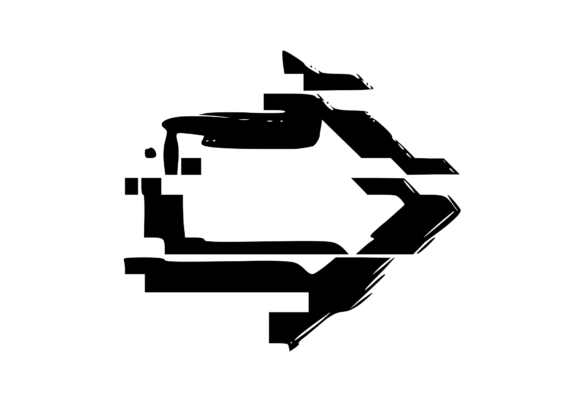
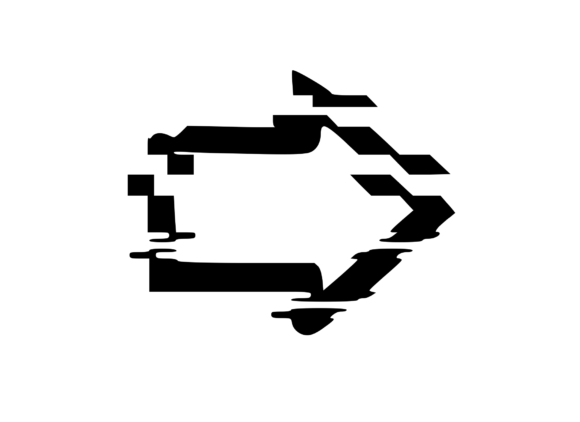
When I first opened Big Glitch Arrow 5, I was immediately drawn to its raw, energetic personality. This is not a delicate, fussy design. It carries a confident, almost rebellious mood—think streetwear logos, indie brand marks, and bold statement pieces. The arrow itself feels dynamic, with a deliberately broken, pixelated edge that suggests movement and digital influence. For anyone working in crafts or graphics, this is a design that demands attention without trying too hard. It feels current, urban, and surprisingly versatile for a motif that looks intentionally unfinished.
As someone who regularly tests machine embroidery designs before committing them to client projects or shop inventory, I’ve learned to separate what looks good on screen from what actually stitches out well. Big Glitch Arrow 5 sits in a promising middle ground: it has the visual grit to stand out, but also the structural simplicity to translate cleanly into thread. Let me walk you through what I found when I took this design from the digital file into a real embroidery project.
First Impressions and Design Personality
The glitch effect is the star here. Instead of smooth, continuous lines, the arrow breaks apart in a way that feels intentional—like a signal cutting in and out. That gives it a modern, almost tech-worn look. It’s not trying to be polished or pretty, and that’s exactly what makes it work for edgier projects. I immediately thought of custom apparel for a small streetwear brand, a patch for a music festival crew jacket, or even a bold accent on a canvas tote bag aimed at a younger, design-conscious audience.
The shape is straightforward enough that it reads instantly as an arrow, but the glitch treatment keeps it from feeling generic. It has attitude. For handmade product makers who want to offer something beyond standard monograms or floral motifs, this design fills a real gap. It speaks to customers who want their personalized gift to feel unique and slightly irreverent.
Real Project Scenario: A Custom Tote Bag
To test Big Glitch Arrow 5 under realistic conditions, I prepared a batch of heavy cotton canvas tote bags. These are a staple in many Etsy seller shops and small shop product lines because they sell well year-round and allow for bold, visible embroidery. I wanted to see how the glitch details would read on a sturdy fabric that doesn’t have much give.
I hooped the canvas with a medium-weight cutaway stabilizer and used a black thread on natural undyed fabric. The contrast was immediately striking. The broken lines of the arrow popped clearly, and the fill stitch areas that form the main body of the arrow stayed crisp without any distortion. The satin stitch elements—where the arrow has thinner, more defined edges—stitched out smoothly, with no puckering or gaps. I was honestly impressed by how well the design held its shape.
I also ran a version on a dark heather grey sweatshirt. That’s always a trickier test because the fabric has more stretch and texture. Using a tear-away stabilizer and a medium-weight fusible backing, Big Glitch Arrow 5 performed well again. The glitch details remained legible, and the arrow didn’t pull or distort when the garment was taken off the hoop. The finished product had that desirable “worn-in” feel that customers love in custom apparel.
How the Design Performs Across Different Products
After testing on several fabric types and product blanks, I have a clear sense of where Big Glitch Arrow 5 shines and where it needs extra care.
Strong Performers
- Canvas tote bags – The design reads boldly and doesn’t get lost in the fabric weave. Great for tote bag design projects aimed at retail or gift markets.
- Sweatshirts and hoodies – The glitch aesthetic pairs naturally with casual, comfortable garments. It looks like it belongs on a limited-run drop.
- Embroidered patches – Because the design has clear open areas and defined edges, it works beautifully as a patch that can be ironed or sewn onto jackets, backpacks, or caps.
- Pillow covers and home decor – I tested it on a linen pillow cover, and the arrow added a cool, modern accent without overwhelming the piece. It could easily become a signature motif for a small business selling contemporary home goods.
- Baby and kids apparel – Surprisingly, the arrow works in a smaller scale for toddlers or infants, especially in bright thread colors. It’s not too edgy to feel inappropriate for kids, but it does have a more modern feel than traditional baby motifs.
Areas Requiring Caution
- Small hoop sizes – If you try to shrink Big Glitch Arrow 5 down too much, some glitch details may become too fine to stitch cleanly. Always test at your intended size before committing to a production run.
- Thin or lightweight fabrics – Silky blouses, rayon tees, or fine knits may not support the stitch density needed to define the glitch effect. Use a lightweight stabilizer and consider reducing density in your software if possible.
- Curved surfaces like caps – The design’s width can make it tricky to center on a standard cap front. Test on a curved hoop or consider a scaled-down version for headwear.
- Frequent washing products – For kitchen towels, aprons, or baby items that will see heavy laundering, I recommend using a dense fill stitch pattern and a high-quality stabilizer to prevent thread breakage over time.
Visual Appeal and Product Value
From a buyer’s perspective, Big Glitch Arrow 5 communicates something specific: it says the product was designed with intention, not picked from a generic catalog. Customers who recognize the glitch aesthetic tend to appreciate the digital-native look. It feels current, creative, and a little underground. For a craft business that wants to attract a younger, trend-aware demographic, this design is a strong addition to the product lineup.
The design also photographs well. In printable mockup shots or design assets for your online shop, the arrow reads clearly at thumbnail size. That matters for digital product sellers who need their listings to stand out in a crowded marketplace. I found that even in black and white previews, the glitch effect retained its visual interest—something that can’t be said for every heavily detailed embroidery file.
Practical Embroidery Designer Notes
Before you stitch this design into a final product, here are a few checks I always run, and I recommend you do the same.
- Test on scrap fabric first. This is non-negotiable. The glitch effect can look different depending on your thread weight and fabric texture. Run one test stitch-out to confirm the details read properly.
- Check thread color contrast. The design works best when there is strong value contrast between thread and fabric. Light thread on dark fabric or dark thread on light fabric will make the glitch lines pop. Mid-tone combinations can muddy the effect.
- Review stitch density. Depending on the file you received, the stitch density may be set for a specific fabric type. If yours came as an SVG or vector file, you will need to convert it with appropriate density settings for your intended base material. Denser fills work better on stable fabrics; lower density suits stretchy or delicate materials.
- Confirm hoop size. The design has a natural width that requires a hoop large enough to accommodate the full arrow without distortion. Check your machine’s maximum hoop size and plan accordingly.
- Inspect small details. Zoom into the glitch fragments before stitching. Some may be very fine. If they cause excessive thread breakage or skipped stitches, consider simplifying those areas in your embroidery software.
- Use proper stabilizer. A medium-weight cutaway stabilizer is my default for this design on most garments. For patches or tote bags, a heavier tear-away can also work. Test both to see which gives you the cleanest result.
- Test black and white mockups. Before production, create black and white previews of the design on different backgrounds. This helps you see whether the arrow reads clearly at a distance and whether any details get lost in low contrast.
- Check licensing for commercial use. Since Big Glitch Arrow 5 is offered as a design asset, confirm whether your license covers commercial embroidery and finished product sales. If you plan to sell items with this design—whether as personalized gifts, holiday embroidery, or boutique product runs—make sure your terms are clear. This protects both you and the original designer.
Final Thoughts on Big Glitch Arrow 5 for Makers and Sellers
Big Glitch Arrow 5 is one of those rare designs that feels both fashionable and functional. It doesn’t rely on trendy motifs that will feel dated next season. The glitch effect, when done well, has staying power because it references a broader visual language of digital culture and streetwear design. For a handcrafted product or a limited-edition run, this arrow brings a level of authenticity that generic clip art never can.
I’ve added it to my own rotation for client projects and shop inventory. It works for men’s apparel, unisex designs, and even youth lines. It’s forgiving enough for intermediate embroiderers to stitch successfully, but polished enough to satisfy experienced customers. Whether you’re stitching a one-off gift for a friend or scaling up for a craft fair, this design holds its own.
If you’re an Etsy seller, a creative entrepreneur, or a maker building a product line with real personality, I’d recommend giving Big Glitch Arrow 5 a proper test. Run it on a tote bag, a sweatshirt, or a patch. See how it feels in your hands after the hoop is removed. I think you’ll be surprised at how much impact a single well-crafted arrow can deliver.