Graphic Circle 7: A Designer’s Review Before the First Stitch
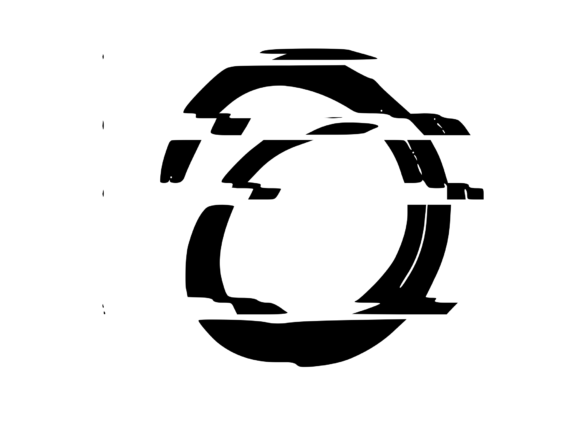
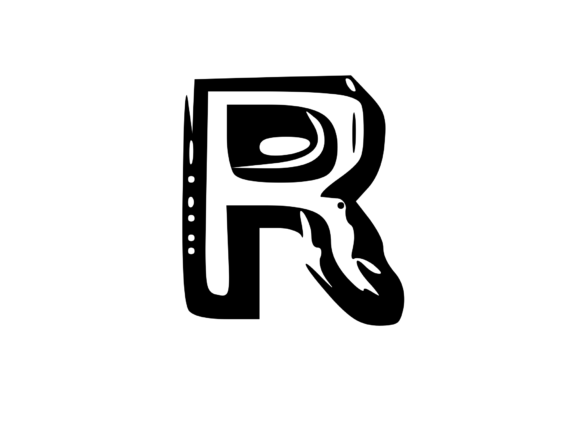
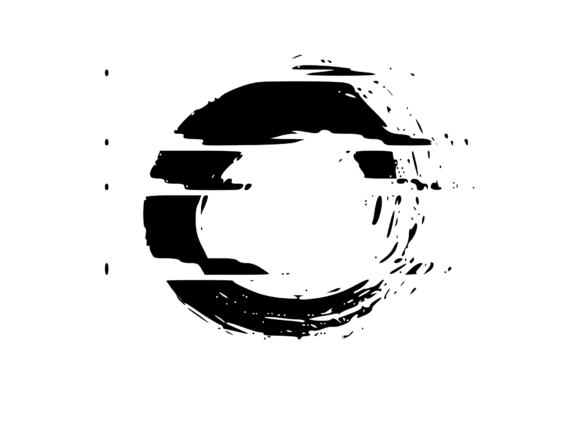
When I first opened Graphic Circle 7, I was immediately struck by its clean, graphic presence. This isn’t a delicate, ornate design meant for lace-like detail. It’s bold, geometric, and confident. The circle anchors the composition, giving it a balanced, modern feel that would work well for both branding projects and decorative embroidery. The letterform at the center is what caught my attention—it’s stylized but still readable, which is a balance many machine embroidery designs fail to achieve. As someone who regularly evaluates digital embroidery files for real project use, I appreciate when a design knows what it wants to be. Graphic Circle 7 clearly wants to be seen, and that’s a good thing for embroiderers looking to make an impact on custom apparel, accessories, or home decor.
Let me walk you through how this design performs when you actually stitch it out, where it shines, where you need to be careful, and how it can add real value to your handmade products, small business inventory, or custom gift orders. I’ve been testing it across several project types, and I want to share what I’ve learned before you commit thread and fabric.
First Impressions and Visual Personality
Graphic Circle 7 feels like it was built for versatility. The circle motif is universal—it can serve as a standalone emblem, a monogram frame, or a brand mark. The letter at the center gives it personality, but the circle itself provides structure and balance. This is the kind of design that works on a tote bag, a sweatshirt, a baby bib, or even a holiday gift towel. It’s not overly complicated, which means it stitches out quickly and reliably, but it still has enough visual weight to elevate a finished product.
The layout is well-proportioned. The interior space is used efficiently without feeling cramped, which is critical for embroidery because dense designs can cause fabric puckering, thread breaks, and stabilizer issues. Graphic Circle 7 avoids that pitfall by keeping the elements balanced and open. The letter is large enough to be legible from a distance, an important factor for promotional merchandise, boutique branding, and any product where you want the design to read clearly.
Under the Crafts category and listed as a Graphics type, this design fits naturally into both digital and physical workflows. It’s equally at home in a printable mockup for an Etsy listing as it is stitched onto a canvas tote. That kind of cross-platform utility is rare and valuable for creative entrepreneurs who juggle multiple product lines.
A Real Project Test: Custom Tote Bags for a Boutique
I recently used Graphic Circle 7 to create a set of custom tote bags for a local boutique. The client wanted something clean, modern, and repeatable across a small product run. I loaded the embroidery file into my machine and ran a test stitch on scrap cotton canvas using a 5x7 hoop. The satin stitch along the circle edge came out crisp and smooth, with no gaps or uneven pull. The fill stitch inside the letter was even and consistent, which told me the stitch density was well-calibrated from the start.
I also tested it on a piece of medium-weight denim to see how the design handled a textured fabric. The result was just as clean. The circle maintained its shape, and the letter remained sharp. On both fabrics, I used a medium-weight cutaway stabilizer, and the design held up without distortion. After that, I moved forward with the full production run. The finished totes looked polished enough for retail, and the boutique owner reported that customers responded well to the clean, professional look.
This test confirmed what I suspected: Graphic Circle 7 is forgiving across different fabric textures. That’s a huge advantage for small shop owners who work with a variety of materials—from cotton and linen to denim and even some blends. You don’t want to spend hours adjusting tension and stabilizer for every new product type. This design works reliably with standard settings, which saves time and reduces frustration.
How Graphic Circle 7 Performs in Real Embroidery Work
In actual stitching, the design handles satin stitch and fill stitch very well. The circle outline benefits from a clean satin stitch, while the letter interior can be done with a fill stitch or left as negative space depending on your preference. Stitch density feels moderate—not so dense that it causes fabric distortion, but dense enough to look substantial. This makes it suitable for a wide range of projects, including sweatshirt embroidery, baby embroidery, personalized pillow covers, kitchen towels, and even embroidered patches.
For apparel decorators, this design works on t-shirts, hoodies, and caps. On a sweatshirt, it sits nicely on the chest or sleeve without feeling bulky. On a cap, the circle shape adapts well to a curved surface, though I recommend testing on a curved hoop first to confirm alignment. For home decor, consider stitching it onto a throw pillow cover or a tea towel. The bold geometry adds a contemporary touch that appeals to modern buyers.
For Etsy sellers and handmade shop owners, Graphic Circle 7 is a reliable asset. It stiches out cleanly enough to use in production runs, and it looks good enough to feature in product photos. You can create consistent branding across multiple items—totes, aprons, caps, and blankets—all using the same machine embroidery design. That kind of cohesion builds customer trust and makes your shop look more professional.
Where to Use Graphic Circle 7 Carefully
No design is perfect for every situation, and Graphic Circle 7 has a few considerations worth noting. If you’re working with a small hoop size like 4x4, you may need to scale the design down, which could affect the clarity of the letter. Test it at your target size before committing to a full run. On very thin or lightweight fabrics, the satin stitch may cause some puckering if you don’t use a proper stabilizer. I recommend a cutaway stabilizer for knits and a tearaway for wovens, but always test on a scrap piece first.
Stretchy fabrics like jersey knit require extra care. The circle shape can distort if the fabric moves during stitching. Hoop the fabric with firm tension and use a cutaway stabilizer to minimize shifting. Dark fabrics are another area where you need to be intentional. The design relies on clean lines and contrast, so choose thread colors that stand out against a dark background. A metallic or bright thread can add visual pop, but test first to ensure the stitches read well.
Curved surfaces like caps and hats can be trickier with circular designs. The curvature of the brim may affect how the circle appears once stitched. I suggest hooping a cap on a curved hoop and running a test stitch before you work on a customer’s order. For products that need frequent washing—such as kitchen towels, baby bibs, or reusable bags—use high-quality thread and a durable stabilizer to ensure the design holds up over time.
Dense stitch areas are not a major concern with Graphic Circle 7, but if you layer it with other design elements or text, keep an eye on total stitch count. Overcrowding the hoop can lead to thread breaks and uneven tension. If you’re combining this design with other elements, test the full layout before stitching on your final product.
Visual Appeal, Product Value, and Customer Trust
Graphic Circle 7 has a polished, professional look that builds customer trust. When you embroider this on a tote bag or sweatshirt, it looks like a boutique item, not a DIY afterthought. The clean geometry conveys attention to detail, which matters when you’re selling handmade products at a craft fair or through an online shop. Buyers associate crisp embroidery with quality craftsmanship, and that perception can justify a higher price point.
For small shop owners and Etsy sellers, this design helps create consistent branding across multiple product lines. Use it on a tote bag, a cap, an apron, and a pillow cover, and you’ll have a cohesive look that customers recognize. That kind of brand consistency is hard to achieve with one-off designs, but Graphic Circle 7 makes it possible. It also works well for personalized gifts—add a monogram or a custom letter and you have a thoughtful present for weddings, holidays, or new babies.
In terms of giftability, this design hits a sweet spot. It’s stylish enough to feel special but simple enough to appeal to a broad audience. A holiday gift embroidered with Graphic Circle 7—like a tea towel or a blanket—feels intentional and personal without being overly niche. That wide appeal is valuable for creative entrepreneurs who need to stock products that sell across seasons.
For apparel decorators and commercial embroidery shops, the design’s reliability reduces waste and rework. When a design stitches out cleanly on the first try, you save time, thread, and stabilizer. Over a production run, those savings add up. And because the design looks professional, you can confidently offer it to clients for branding, events, or uniform programs.
Practical Designer Notes Before You Stitch
Before you load Graphic Circle 7 into your machine, there are a few steps I recommend. First, test the design on scrap fabric that matches your final product material. Check thread color contrast against your fabric—especially if you’re working with dark or busy backgrounds. Review the stitch density in your embroidery software to make sure it aligns with your machine’s capabilities and your fabric’s tolerance.
Confirm your hoop size can accommodate the design at your desired scale. Inspect small details like the letter’s corners and curves for clarity. If anything looks like it might lose definition at a smaller size, adjust accordingly. Test the design in black and white mockups to see how it reads without color. Compare it on light and dark fabric backgrounds to ensure the silhouette holds its shape.
Use proper stabilizer: cutaway for stretchy knits and tearaway for stable wovens. On textured fabrics like denim or linen, a medium-weight tearaway usually works well. On caps, use a cap-specific stabilizer system. For dense stitch areas, you may need a heavier stabilizer to prevent distortion. Always hoop with firm tension, but avoid overstretching the fabric.
Check the licensing for Graphic Circle 7 before selling finished items or digital products. Since this design is available as an SVG graphic, confirm that your license covers commercial embroidery use and the sale of finished handmade products. If you plan to use it in printable mockups or other digital assets, verify those rights as well. Licensing terms vary, so it’s your responsibility to know what’s allowed.
Finally, consider how this design fits into your overall product lineup. Does it complement your existing offerings? Can you use it across multiple product types? Will it appeal to your target customers? Answering these questions before you invest time and materials will help you make the most of Graphic Circle 7 in your craft business.
Overall, this design earns a solid recommendation for anyone looking to add a clean, versatile, and stitch-friendly option to their embroidery file library. It performs well on a variety of fabrics, adapts to different product types, and delivers a professional finish that customers appreciate. Whether you’re stitching a custom tote bag for a boutique, a personalized baby gift, or a batch of holiday towels for your Etsy shop, Graphic Circle 7 is a design worth testing and adding to your rotation.