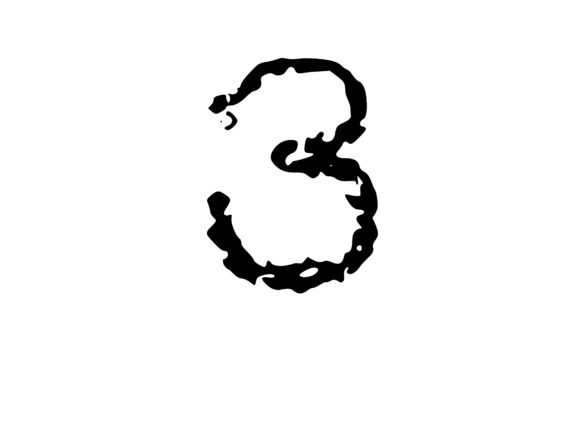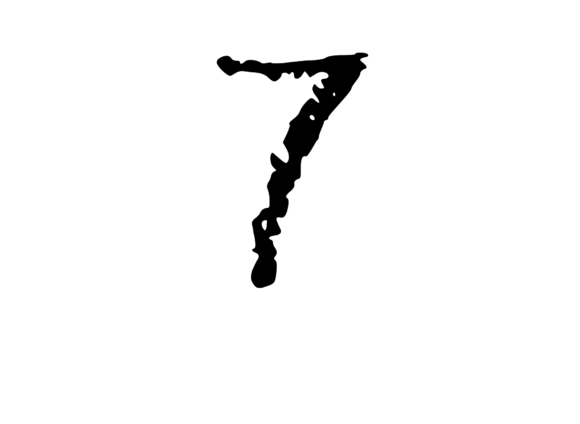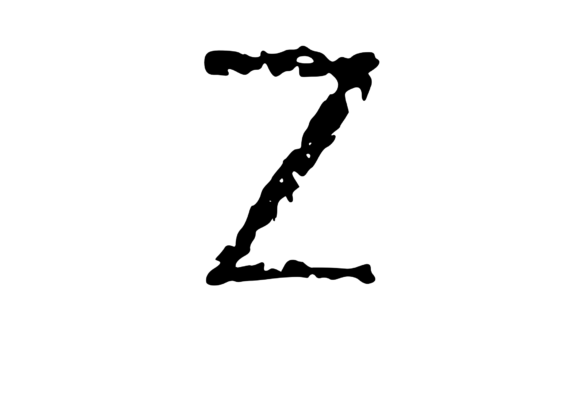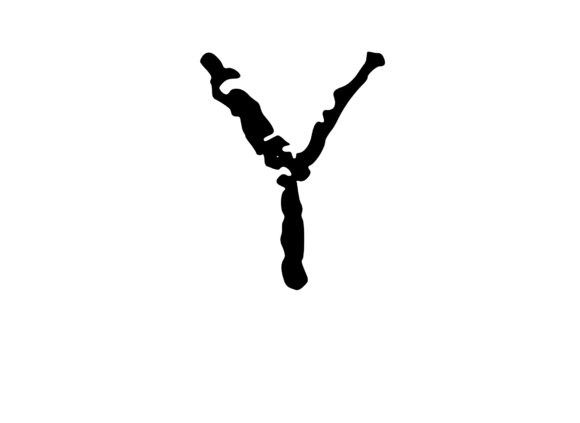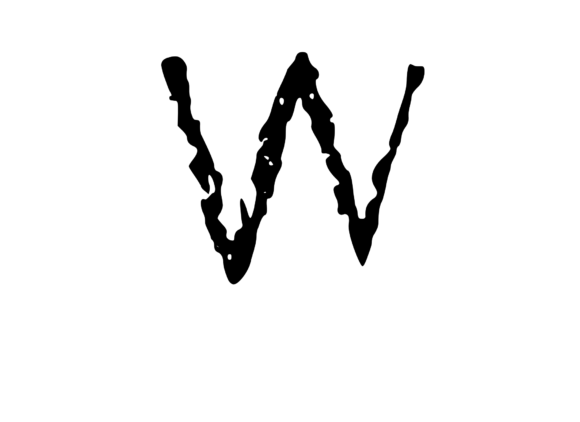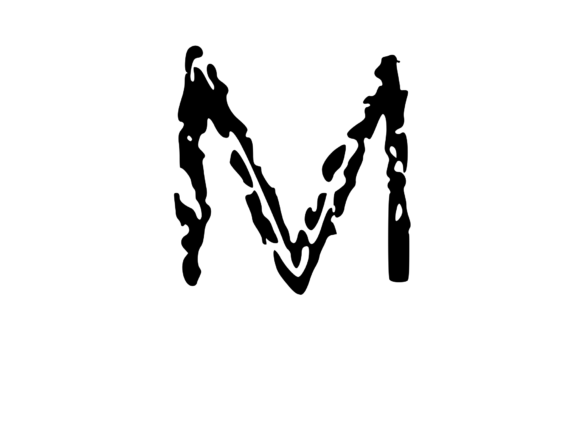
Scratched Mono Textured M: An Embroiderer’s Verdict
I’ve spent more hours behind a digitizing screen and a hooping station than I care to admit. When I first opened Scratched Mono Textured M, I wasn’t just browsing the Crafts and Graphics aisle for another digital asset. I was looking for something that could survive the jump from pixel to thread. First impressions matter in this industry, and this design immediately read as authentic. It has the visual weight of hand-drawn marker strokes, a gritty, urban texture that feels deliberate rather than accidental. This isn’t a sterile serif or a fluffy script. It is a statement letter built for real projects.
First Look: Personality and Practicality
The scratch texture is the hero here. It gives the M a worn, vintage, or industrial mood without looking damaged. It suggests motion and depth. For a machine embroidery design, this kind of contour disruption is a gift. It breaks up large stitch fields and adds an artisanal feel that customers in the handmade product space actively seek out. I immediately imagined it on a coffee roaster’s apron or a boutique denim jacket. The structural integrity of the letterform remains solid, which is critical. If a letter is too distorted, it loses readability. This one holds its shape while the scratched texture adds visual grit.
Real World Test: The Coffee Shop Tote Scenario
I tested this design for a client who owns a small coffee roastery. They wanted a custom embroidered tote bag for their single-origin blend. The “M” stands for “Morning Roast.” I pulled the SVG file into my digitizing software. Because it is a Graphics vector format, the paths were clean. I traced the outlines and assigned stitches. For the main body of the M, I used a dense tatami fill stitch to create a solid foundation. For the scratch marks, I switched to a running stitch at a contrasting angle. This creates a light-play effect on the fabric that mimics the digital mockup almost exactly.
I stitched it onto a 12oz natural canvas tote using a dark charcoal thread. The scratch texture popped beautifully. The slight variation in stitch direction prevented the letter from looking flat. It looked like a screenprint but felt like quality embroidery. When the client saw it, they immediately understood the value. The texture told a story. It matched the scratched-up paint on their roasting equipment. That emotional connection is exactly what small business owners and Etsy sellers need to build into their merchandise.
Best Practices for Stitching This Design
Here are the practical lessons I learned from running this design on different machines and fabrics. First, always test on light and dark fabric backgrounds. The scratch effect relies on contrast. Black thread on black fabric will kill the texture. Use bright whites, silvers, or vintage golds to make the scratches visible. Second, adjust your stitch density if you are using an embroidery file conversion. If the density is too high, the fill will overwhelm the scratch lines and create a solid block. Lowering the density slightly allows the fabric weave to show through the scratches, enhancing the distressed look. Third, use a sharp 75/11 needle to maintain crisp boundaries. Dull needles can push the scratch marks out of alignment, especially on dense twill.
Where Scratched Mono Textured M Belongs
This design performs best on structured fabrics. Cotton twill, linen, medium-weight denim, and canvas are perfect. It is an excellent choice for custom apparel like sweatshirts and t-shirts. For small shop merchandise, it elevates a simple hoodie into a boutique product. It works exceptionally well as an embroidered patch sewn onto bags or hats. For personalized gifts, it offers a modern, unisex feel. I can see it used for wedding gifts, holiday gifts, and nursery decor. The texture keeps the monogram from feeling too formal or outdated. It feels current. It also photographs exceptionally well, which is a huge advantage for Etsy sellers creating printable mockups or digital product previews.
Where to Approach with Caution
If you are working with tiny hoop sizes under four inches, the scratch details may cluster. The fine lines of the texture need a certain scale to read clearly. Avoid using this on very stretchy thin knits, like single-layer jersey, without a heavy cutaway stabilizer. The texture can distort and sink into the fabric. Similarly, textured fabrics like heavy bouclé or high-pile fleece will swallow the scratch marks. Use a water-soluble topper to prevent the stitches from embedding into the fabric fuzz. For curved surfaces like caps, the design traces well, but reduce your stitch density slightly to prevent puckering on the crown seams.
Is It Right for Your Craft Business or Etsy Shop
From a commercial embroidery perspective, this asset is reliable. It fills a specific niche in the market. Customers are tired of generic, perfect lettering. They want something that feels handcrafted. Scratched Mono Textured M provides that handmade presentation without looking sloppy. It boosts brand consistency for boutique owners. When a customer sees that texture across a line of products, they recognize the style. This builds customer trust and buyer engagement. It signals that the maker has an eye for design. The giftability factor is high. A personalized gift with this letter feels intentional and artistic, not like a last-minute monogram job.
Practical Commercial Notes
Before you start producing a hundred tote bag designs or embroidered patches for a craft fair, confirm the licensing. I always tell my students and fellow small business owners to check the specific commercial use terms included with the digital embroidery file or SVG from the Crafts category. Most allow you to sell the finished product, but it is always good practice to verify. Do not sell the original digital file itself unless the license explicitly allows that. Use this as a design asset to boost your own handmade products, not as a resale item.
Final Thoughts for Designers and Makers
Scratched Mono Textured M sits in a sweet spot between rugged and refined. It offers enough visual interest to justify its use in high-end boutique projects, yet it is structurally simple enough for a hobbyist to digitize successfully. It respects the limitations of the medium. The scratch texture is not excessively fine, which means it will hold up over frequent washing. I have no hesitation recommending this for holiday gifts, personalized items, or commercial production runs. Treat it with the same care you would any vector asset: test your thread colors, review your stitch angles, and choose a stabilizer that matches your fabric. If you do, this letter will perform beautifully and consistently.