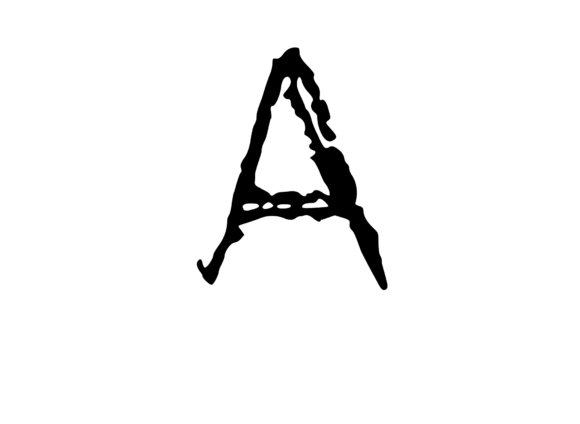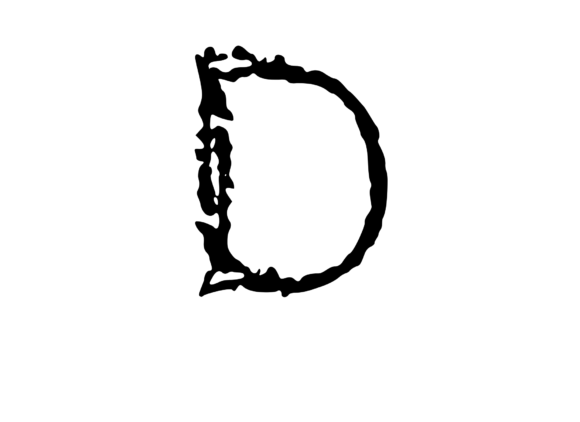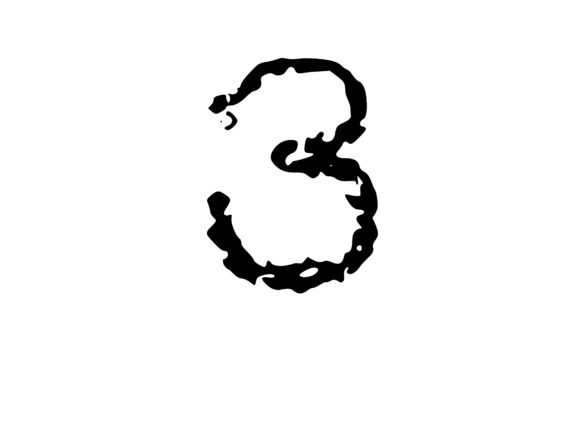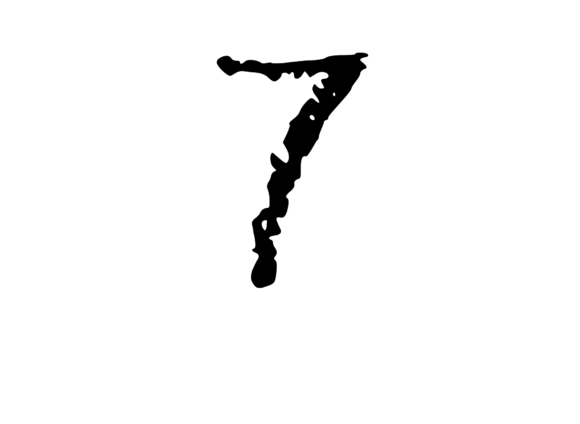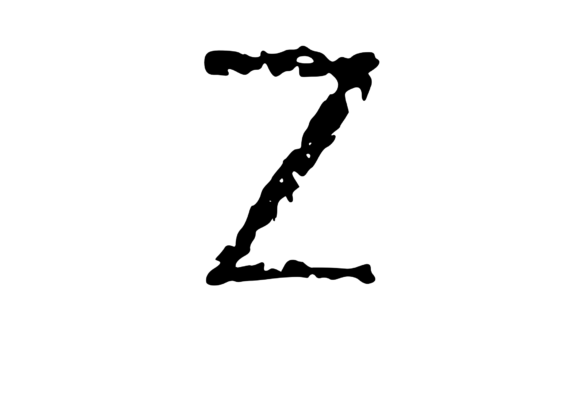
Scratched Mono Textured Z – Embroidery Project Test
When I first opened the Scratched Mono Textured Z file, I was working on a custom tote bag order for a local boutique that wanted a bold, hand-drawn feel without losing the clean edges embroidery demands. This design caught my eye because it promised texture and attitude in a single letterform, and that is exactly what I needed for a project that had to read as both modern and slightly worn. After stitching it out on several fabric types and testing it across different product categories, I want to share a practical breakdown of how this embroidery file actually performs in real shop use, where it shines, and where you should think twice before committing thread to fabric.
First Impressions and Visual Mood
The Scratched Mono Textured Z has an immediate personality. It is not a pristine, polished monogram. Instead, it carries a scratched, almost distressed surface that mimics the look of hand-carved or weathered type. The overall shape is straightforward — a capital Z with clear angles and a solid stance — but the internal texture gives it a gritty, tactile feel that stands apart from standard satin stitch lettering. This design feels like it belongs on a handmade product that wants to communicate authenticity and a bit of edge. Think of a coffee roaster’s apron, a craft brewery cap, or a small shop sweatshirt that needs to look like it has been part of the process from day one. That mood is exactly what Scratched Mono Textured Z delivers.
From a designer’s perspective, the texture is the main event. It is not a simple fill stitch or a plain satin stitch. The surface appears broken up, almost like a distressed applique design might look after years of wear, but it is built into the digital file itself. That means you get consistent results every time you stitch it, as long as your machine and stabilizer are set up correctly. For a boutique or an Etsy seller looking to create a signature look, this letter offers a lot of character without needing extra steps like layering fabrics or using specialty threads.
Real Case: Preparing a Custom Embroidered Sweatshirt
Let me walk through a scenario that many of you will recognize. A repeat customer asked for a personalized sweatshirt featuring their last initial, and they wanted something that did not look like a standard monogram from a big box retailer. I chose Scratched Mono Textured Z for the letter, paired it with a heavy-weight cotton-poly blend sweatshirt in heather gray, and used a dark charcoal thread to create contrast without being harsh. The result was exactly what the customer wanted: a letter that felt intentional, slightly worn, and modern. The texture read clearly from a few feet away, and up close, the scratched detail gave the garment a handcrafted feel that standard satin stitch initials simply cannot match.
In that project, the design worked well because the fabric was stable and the hoop size was generous enough to accommodate the letter without crowding. I used a medium-weight cutaway stabilizer and a standard 75/11 needle. The stitch count was reasonable — not so dense that it stiffened the fabric, but substantial enough to hold the texture. If you are stitching a similar custom apparel piece, especially for a personalized gift like a holiday sweatshirt or a birthday hoodie, this design gives you a strong return on investment in terms of visual impact per minute of stitch time.
Performance Across Common Embroidery Products
I tested Scratched Mono Textured Z on several product types that small shop owners and craft business operators typically sell. Here is what I found:
- Tote bag design: On a medium-weight canvas tote, the texture showed up beautifully. The fabric held the stitches well, and the distressed look complemented the natural roughness of canvas. This is a strong match for tote bag embroidery projects aimed at farmers’ markets or eco-friendly branding.
- Sweatshirt embroidery: As mentioned, on a stable sweatshirt fleece, the design performed admirably. Keep the letter size moderate — I used about 3.5 inches tall — so the texture does not become too dense in a small area.
- Embroidered patch: If you make patches, this Z works well as a standalone element. The texture gives the patch a vintage look without extra distressing steps. Use a tear-away stabilizer and edge it with a satin stitch border for a clean finish.
- Baby embroidery: I would advise caution here. The scratched texture may read as too rough or worn for a baby blanket or onesie. The visual mood is more adult and industrial, so unless the project calls for an edgy or unisex aesthetic, this letter may not feel soft enough for nursery items.
- Cap and hat embroidery: Curved surfaces like caps require careful placement. The Z is angular, and the texture can distort if the hoop is not perfectly aligned. Test on a practice cap first. I found it worked best on flat-front caps with a firm structure.
- Pillow covers and tea towels: These flat items are forgiving. The texture adds interest to home decor pieces, especially in a monochromatic color scheme. I stitched it on a linen tea towel with white thread, and it looked like a subtle, heirloom detail.
Where to Use Carefully
No design works everywhere, and Scratched Mono Textured Z has specific limitations that matter for commercial embroidery use. First, small hoop sizes can be a problem. If you try to stitch this letter under about 2 inches tall, the scratched texture becomes muddled and loses its definition. The detail needs room to breathe. Second, textured fabrics like thick knits or bouclé can swallow the fine scratches, making the design look like a solid fill instead of a textured one. Stick to smooth or medium-texture fabrics for best results.
Stretchy fabrics also require extra care. The broken fill of the scratched texture can pull and distort if the fabric is not stabilized aggressively. Use a firm cutaway stabilizer and consider a layer of topping if your fabric has nap or stretch. Dark fabrics are generally fine, but thread color choice becomes critical. A light thread on dark fabric will show the texture clearly, while a dark thread on dark fabric can make the scratches disappear. Always test a small stitch-out on scrap fabric before committing to the final product.
Visual Appeal and Product Value
From a buyer’s perspective, Scratched Mono Textured Z communicates effort and individuality. When a customer receives a handmade product with this letter, they see texture that mimics natural wear or hand carving. That translates to perceived value. For an Etsy seller or a small shop product creator, this design helps your items stand out in a sea of standard monograms. It also works well in printable mockup photos because the texture photographs interestingly, giving your digital embroidery file previews a unique look that customers notice.
In terms of brand consistency, if you build a line of products around a scratched or distressed aesthetic, this Z can anchor that identity. It is not a one-off novelty. It feels like part of a system. That makes it useful for design assets in a cohesive craft business collection. I could see it used on a series of finished products like aprons, caps, and bags for a coffee shop or a hardware store. It has a utilitarian honesty that connects with customers who value craftsmanship.
Practical Embroidery Designer Notes
Before you load this file into your machine, here are the checks I run every time I use Scratched Mono Textured Z:
- Test on scrap fabric first. The texture may stitch differently than you expect. Run a small sample on the exact fabric you plan to use, with the same stabilizer and thread.
- Check thread color contrast. The scratched detail depends on the thread breaking up visually. High contrast between thread and fabric makes the texture pop. Low contrast can flatten it.
- Review stitch density. If the design feels too dense in preview, reduce the letter size or use a lighter stabilizer. Dense areas can cause fabric puckering on lightweight materials.
- Confirm hoop size. This letter needs enough space around it to avoid distortion. Do not crowd it into a mini hoop unless you have tested the smaller size successfully.
- Inspect small details. Zoom in on the scratches in your embroidery software. They should be visible but not so fine that they break apart during stitching. If they look fragile, consider a slight size increase.
- Test in black and white mockups. Before presenting to a client or listing on Etsy, view the design in grayscale. This helps you see the texture independently from color bias.
- Compare light and dark fabric backgrounds. The same design reads differently on white versus black fabric. Stitch both and decide which version you want to sell.
- Use proper stabilizer. For most applications, a medium-weight cutaway stabilizer works. For stretchy fabrics, use a firm cutaway. For dense fabrics, consider a tear-away with a topping.
- Check licensing before selling. Since the product description states this is an SVG for crafting, you need to confirm whether the license covers commercial embroidery and selling finished products. Verify that before you list any items featuring this letter on your small shop product pages.
- Consider both personal and commercial use. This design can serve both markets, but the stitching requirements differ. For a one-off personalized gift, you can take more time with setup. For production runs, ensure the design digitizes efficiently and consistently.
Final Thoughts on Scratched Mono Textured Z
This letter is a solid addition to any machine embroidery design library if you value character over perfection. It works best on stable, medium-texture fabrics and in applications where a worn, handcrafted mood supports the product story. I would not recommend it for delicate baby items or very small hoop projects, but for custom apparel, tote bag design, embroidered patch work, and sweatshirt embroidery, it delivers a distinctive look that customers notice and appreciate. In the Crafts category, this Graphics asset translates well into stitched form if you take the time to test and adjust. For an experienced embroiderer or a growing craft business, Scratched Mono Textured Z is a tool worth having ready for the right project.