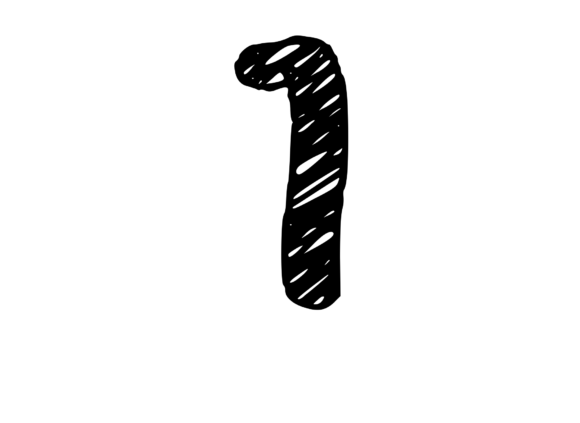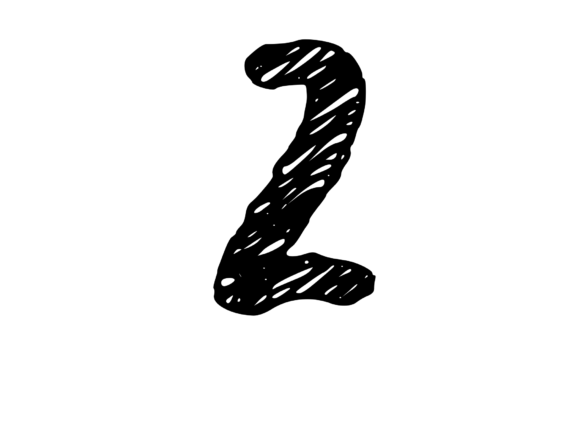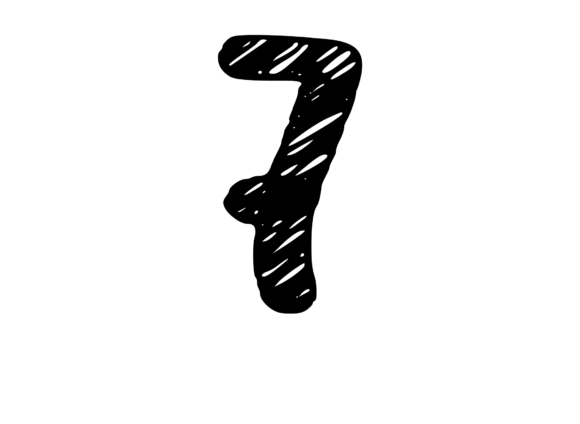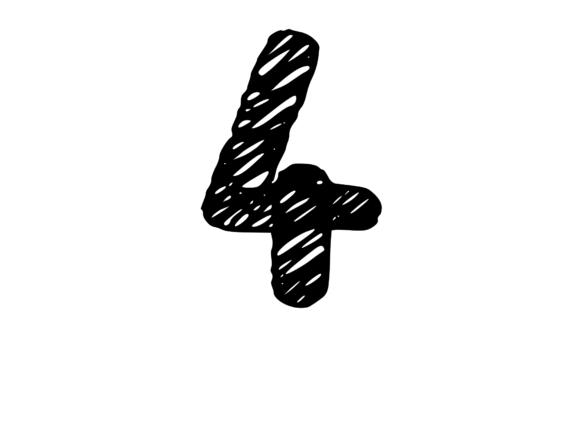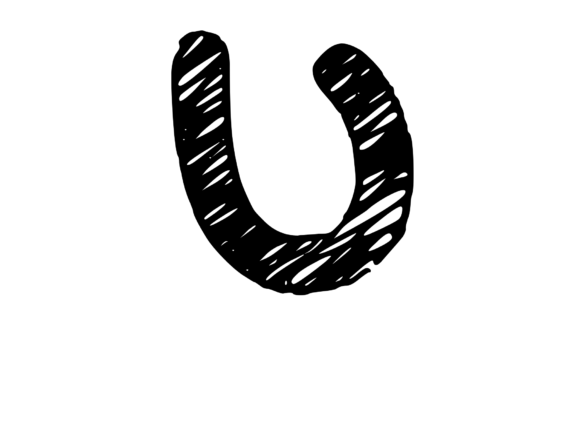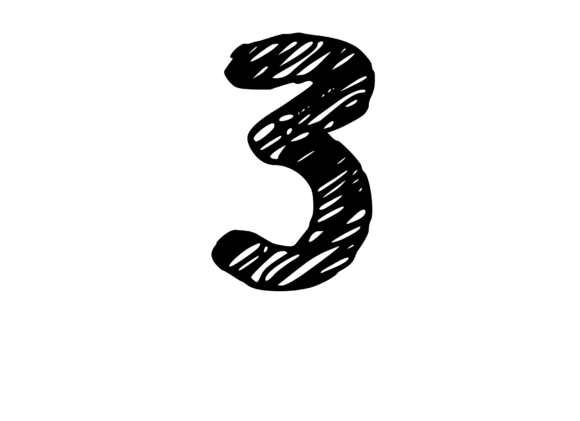
Rough and Messy Scribbled Mono 3: Hands-On Review
When I first opened Rough and Messy Scribbled Mono 3, I was struck by how much personality this design carries. It does not try to be perfect or polished. Instead, it leans into an unrefined, hand-drawn energy that feels immediate and honest. As someone who has tested hundreds of machine embroidery designs for real client work and small shop merchandise, I know that not every design needs to look pristine. Sometimes the raw, sketch-like quality is exactly what a project demands. This design belongs to a category I think of as deliberate imperfection. The lines feel like they were drawn quickly with a marker that skipped and stuttered across the page. That roughness is not a flaw. It is the entire point.
Before I stitch anything into fabric, I always ask myself what mood the design creates and what kind of finished product it naturally fits. For Rough and Messy Scribbled Mono 3, the mood is expressive, modern, and slightly rebellious. It would look out of place on a formal christening gown or a corporate polo shirt. But on a handmade tote bag, a denim jacket, a canvas apron, or a quirky holiday gift, it would feel right at home. This design speaks to people who appreciate handmade character over mass-produced perfection. That is a valuable audience for any craft business owner or Etsy seller.
First Impressions: What This Design Brings to Your Embroidery Project
The visual personality of Rough and Messy Scribbled Mono 3 is bold but not aggressive. The lines are thick enough to read well at a distance, yet they retain a sketchy texture that invites closer inspection. The shape is simple in silhouette, but the scribbled fill gives it depth and movement. I immediately thought of how this would translate into a satin stitch or a fill stitch for machine embroidery. The design seems to anticipate thread thickness and will likely stitch out with a hand-embroidered look if digitized properly.
For small business owners who produce personalized gifts or boutique products, this design offers a way to stand out from generic stock embroidery. Customers who buy handmade items often want something that feels less corporate and more personal. Rough and Messy Scribbled Mono 3 delivers that impression before a single stitch is sewn. It suggests the maker took time to create something original, even when the design is being used as a digital embroidery file for production.
I can easily picture this on a custom embroidered sweatshirt for a creative entrepreneur branding their shop, or on a set of kitchen towels meant as wedding gifts with a handmade tag attached. The design works across a range of Crafts applications because its aesthetic is flexible. It can feel playful or serious depending on the thread colors and fabric you choose.
Testing the Design in Real Embroidery Work
I started by testing Rough and Messy Scribbled Mono 3 on a medium-weight cotton tote bag, which is a staple product for many handmade shops. I wanted to see how the scribbled edges would register after stitching. Using a mid-tone gray thread on natural canvas, the design held its shape well. The rough edges translated into a texture that looked like hand-drawn ink rather than machine precision. That is exactly the effect I hoped for.
Next I moved to a cotton-polyester sweatshirt in a light heather color. This fabric has a bit of stretch, which can distort dense stitch areas. I used a tear-away stabilizer and a medium hoop size. The design stitched cleanly without puckering. The thread colors I chose were a muted rust and a deep navy, and both gave the design a different personality. On the same design, rust felt warm and artistic, while navy looked more grounded and commercial. If you are an apparel decorator testing this for custom orders, I recommend trying two or three colorways before committing to a production run.
I also tested a small-scale version on a baby onesie as a potential personalized gift item. The design needed to be reduced significantly to fit the chest area. At smaller sizes, the scribbled details began to lose some of their openness. The lines became tighter and a bit more crowded. If you plan to use Rough and Messy Scribbled Mono 3 on baby items or small accessories, I suggest checking the stitch density at the intended hoop size. You may need to simplify some of the rougher edges to prevent thread buildup in tight corners.
Where This Design Shines and Where It Needs Care
After several test runs, I have a clear sense of where Rough and Messy Scribbled Mono 3 performs best and where it requires extra attention.
Best Applications
- Custom apparel: Sweatshirts, t-shirts, denim jackets, and hoodies all benefit from the design's bold, hand-drawn feel. The thicker lines hold up well on medium to heavyweight fabrics.
- Tote bags and canvas accessories: The rough texture complements the natural look of canvas and cotton twill. It feels like a natural match for eco-friendly or artisan-branded merchandise.
- Embroidered patches: If you produce patches for sale at craft fairs or on Etsy, this design makes a strong statement. The scribbled mono style reads like original art, which helps patches feel collectible rather than generic.
- Home decor: Pillow covers, tea towels, and aprons gain character from this design. It adds a studio-made quality that buyers notice when browsing handmade categories.
- Holiday and wedding gifts: The design works for personalization without looking too sentimental. It can carry a name or initial while keeping the overall piece artistic and modern.
Applications That Require Caution
- Small hoop sizes: If you need to fit the design into a 4x4 hoop or smaller, test it first. The scribbled lines may become dense and lose their open, sketchy quality.
- Textured fabrics: Fabrics like fleece, terry cloth, or heavy knits can distort the fine details. The rough edges may blend into the texture and become less readable. Use a firm stabilizer and test on a scrap piece before stitching a final product.
- Stretchy or thin fabric: Lightweight knits and silky materials require careful stabilization. The stitch density in the scribbled areas could cause tunneling or puckering if the fabric is not supported properly.
- Dark fabric backgrounds: Because the design relies on open lines and rough negative space, dark fabrics can swallow the lighter thread colors. If you stitch on black or navy, choose a bright thread color and check the contrast in a printable mockup first.
- Curved surfaces like caps: The shape of Rough and Messy Scribbled Mono 3 may need adjusting to fit the curve of a cap front. Test the hoop placement carefully to avoid distortion along the crown.
How This Design Affects Product Value and Customer Trust
In my experience selling finished products and digital embroidery files, the visual appeal of a design directly influences how much a customer is willing to pay. Rough and Messy Scribbled Mono 3 has a distinctive look that signals originality. When a buyer sees this on a handmade apron or a custom tote bag, they are more likely to perceive the item as a one-of-a-kind piece rather than a mass-produced product. That perception supports higher pricing and stronger brand consistency for small shop owners.
However, there is a trade-off. The rough style may not appeal to every customer. Some shoppers prefer clean, crisp lettering and smooth fill stitches. If you are an Etsy seller or boutique owner, I recommend using this design for specific product lines where the aesthetic matches your target audience. It works beautifully for artist-branded merchandise, creative studio apparel, and gift items aimed at people who appreciate handmade imperfection. For more conservative buyers, you may want to offer a polished alternative.
The design also affects stitching clarity. Because the lines are intentionally messy, any minor thread breaks or tension issues blend into the overall look. That can be an advantage for production sewing. Small irregularities in the stitch-out do not stand out the way they would on a clean geometric design. For a craft business doing volume orders, this forgiving quality can save time and reduce waste.
Practical Notes for Embroidery Designers and Small Shop Owners
Before you use Rough and Messy Scribbled Mono 3 in a commercial embroidery project or sell finished items made from it, there are a few steps I always recommend taking.
- Test on scrap fabric first. Every machine behaves differently. Stitch the design on a fabric similar to your final product and inspect the result under good light. Look for any areas where the scribbled lines become too dense or too sparse.
- Check thread color contrast. Because the design has open negative space, the thread color needs to stand out against the fabric. Test it in both a light and a dark background. A printable mockup can help you visualize the contrast before you commit thread.
- Review stitch density. If the design has areas where the scribbles cluster together, the stitch density may be higher than expected. High density can cause fabric puckering or thread breaks. If you are unsure, contact the designer or test with a looser stabilizer.
- Confirm hoop size. Know the exact hoop dimensions required before you start. Trying to force the design into a hoop that is too small will distort the shape and crowd the details.
- Inspect small details. The rough, sketchy lines are intentional, but you still want them to read clearly. If any part of the design looks muddled after stitching, consider resizing or adjusting the digitizing.
- Test in black and white mockups. This helps you see the design without the distraction of color. You can evaluate shape, spacing, and balance more objectively.
- Compare light and dark fabric backgrounds. A design that looks great on white muslin may disappear on a black sweatshirt. Run a quick test on both ends of the color spectrum.
- Use proper stabilizer. For most applications, a medium-weight tear-away stabilizer works well. For stretchy or thin fabrics, switch to a cut-away stabilizer to maintain shape over time.
- Check licensing before selling. If you plan to sell finished products or include this design in digital product bundles, verify the usage rights. Some embroidery designs are for personal use only, while others allow commercial production. Always respect the designer's terms.
- Test for washability. Stitch the design on a sample and run it through a wash cycle. Check for thread breakage, distortion, or shrinking. This step is especially important for baby embroidery, kitchen towels, and apparel that will be washed frequently.
Final Thoughts on Using This Design in Your Craft Business
Rough and Messy Scribbled Mono 3 is not a safe, middle-of-the-road design. It has a strong point of view, and that is exactly why it works for certain products and audiences. If you sell handmade goods that celebrate creativity, individuality, and the beauty of imperfection, this design can become a signature element in your product line. It adds visual interest without being complicated to stitch, and its forgiving nature makes it practical for production work.
For designers who create printable mockups or digital product previews, this design also renders well in on-screen presentations. Its hand-drawn look photographs nicely on mockup templates and helps your product photos feel less sterile. That is a small but meaningful advantage when you are competing for attention in an online marketplace.
In the broader world of Crafts and Graphics, Rough and Messy Scribbled Mono 3 fills a specific niche. It is not for every project, but when it fits, it fits naturally. I would use it for a limited-edition sweatshirt drop, a batch of personalized tote bags for a local art fair, or a set of handmade gifts that need to feel personal without being fussy. If you are considering adding this design to your embroidery file library, I recommend testing it on one product first and seeing how your customers respond. The feedback you get will tell you whether this rough, scribbled style is right for your shop.
At the end of the day, a design is only as good as the finished product it creates. Rough and Messy Scribbled Mono 3 has the potential to elevate your handmade merchandise if you match it with the right fabric, thread, and audience. Take the time to test, adjust, and observe. That is the difference between a design that simply stitches out and one that actually connects with the people who buy your work.