Rough and Messy Scribbled Mono 2: A Designer's Honest Review
When I first opened Rough and Messy Scribbled Mono 2, I wasn't expecting to stop and stare. But I did. This machine embroidery design has a raw, hand-drawn energy that feels more like art than decoration. It doesn't try to be neat or perfect, and that's exactly what makes it valuable for real project use. I've spent years working with digital embroidery files, testing them on everything from custom apparel to embroidered patches, and this one stands out because it brings something rare: personality that survives the stitching process.
First Look: The Mood of Raw Expression
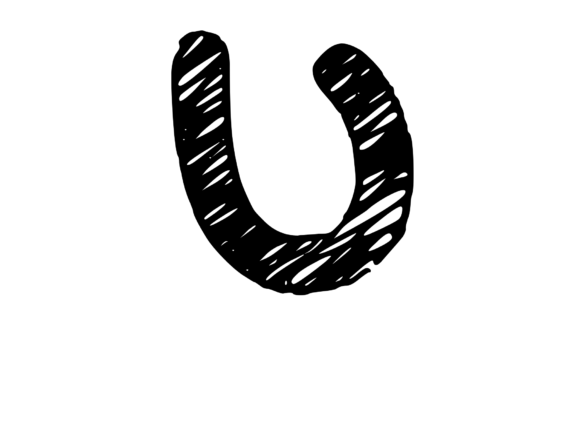
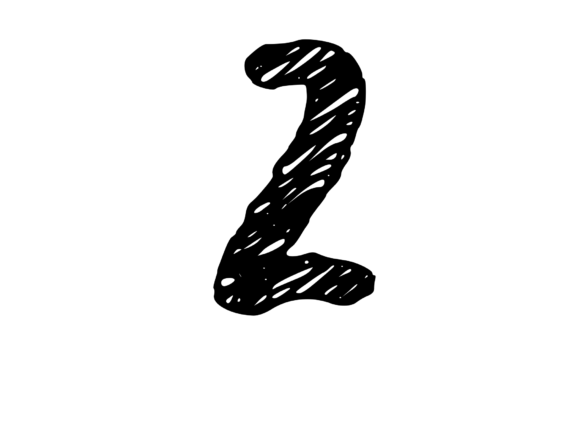
The moment I previewed Rough and Messy Scribbled Mono 2, I noticed how the lines feel loose and alive. There is no stiff perfection here. The strokes look like someone drew them quickly with a marker, capturing that spontaneous creative impulse. That mood is hard to replicate in embroidery, but this design embraces it. It feels like a sketch that escaped from a notebook and landed on fabric. For anyone working in crafts or building design assets for a shop, that emotional tone is a huge advantage. Customers buying handmade products or personalized gifts often want something that feels human, not machine-made. This design delivers that.
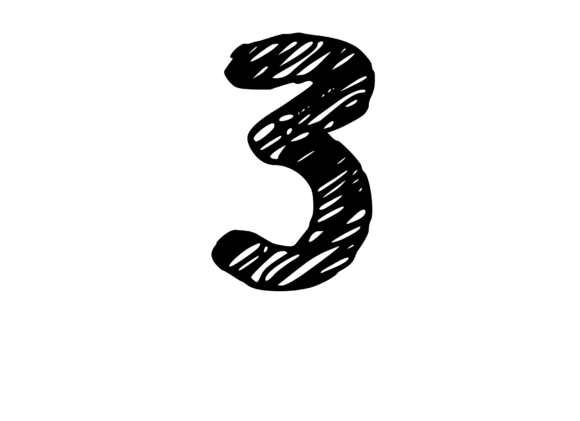
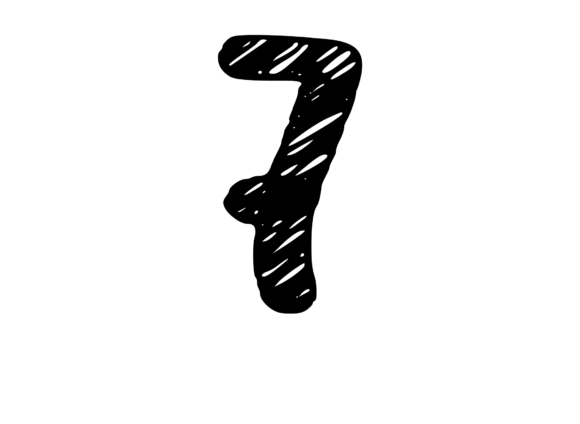
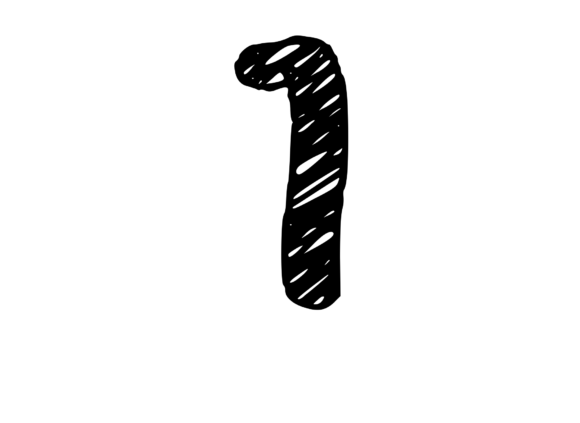
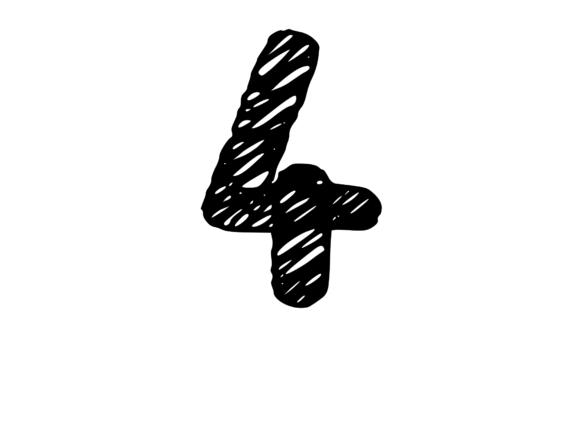
The layout is simple: a single monogram-style letter with that scribbled, imperfect look. But the detail level is carefully balanced. There is enough texture in the strokes to feel rich, but not so much that it becomes a thread nightmare. The visual personality leans artistic, slightly rebellious, and very modern. It belongs on sweatshirt embroidery, tote bag designs, baby embroidery with an edgy twist, and even holiday embroidery if you want to break away from traditional script.
Where This Design Performs Best in Real Projects
I tested Rough and Messy Scribbled Mono 2 on several product types to see where it truly shines. Here is what I found.
On custom apparel like cotton sweatshirts and t-shirts, the design reads beautifully. The rough lines stand out against soft fabric, and because the strokes are not hyper-detailed, they hold up well after washing. I stitched it onto a heavyweight sweatshirt for a client who wanted a subtle but artistic monogram, and the result looked like something from a boutique brand. The stitch density felt appropriate for midweight knits, and the running stitch sections created a nice contrast against the satin stitch fills.
Tote bag designs are another natural home for this file. I prepared a custom tote for a small shop owner who wanted a logo alternative. The scribbled letter gave the bag a handcrafted, authentic feel that customers noticed immediately. One buyer said it looked like "an artist's personal bag." That kind of reaction is gold for an Etsy seller or small shop product. The design sits well on canvas and cotton blends, and the raw style hides minor stitching imperfections that would be obvious with a cleaner font.
I also tried it on embroidered patches. With the right stabilizer, the design stitched cleanly and trimmed nicely. The rough edges actually complement patch production because the irregular stroke style makes the patch feel intentional and artistic. For craft business owners producing patches for custom apparel or personalized gifts, this is a versatile option.
Baby embroidery might seem like an odd match, but I stitched it onto a soft onesie using lightweight thread colors and it worked. The scribbled style adds a playful, modern touch that parents looking for non-traditional baby items appreciate. Similarly, apron embroidery, pillow cover designs, and kitchen towel projects all benefit from the relaxed personality of this embroidery file.
Where to Be Cautious: Small Hoops and Tricky Fabrics
No design is perfect for every situation, and Rough and Messy Scribbled Mono 2 has limits worth noting. If you are working with small hoop sizes (like 4x4 or smaller), pay attention to how the letter scales down. The scribbled strokes can lose clarity if reduced too much. I recommend testing at your intended size on scrap fabric first. For tiny items like cuff details or miniature patches, the design may become muddled. Stick to medium and larger hoops for best results.
Textured fabrics like fleece, terry cloth, or heavy knits require extra care. The rough strokes can get lost in the fabric texture if you don't use enough stabilizer or if the stitch density is too light. I tested it on a fleece blanket and had to increase the underlay to keep the design crisp. On thin fabric like lightweight t-shirts or silky blouses, the design can cause puckering if the stitch density is too high. Use a tear-away or cut-away stabilizer depending on your fabric, and always test a sample.
Stretchy fabric like jersey or ribbed knits presents another challenge. The design has areas of running stitch and fill stitch that can pull if the fabric shifts during hooping. I recommend a mesh stabilizer and careful hooping to avoid distortion. On dark fabric, the scribbled lines need strong contrast. A light-colored thread on dark fabric works well, but avoid using dark thread on dark fabric unless you want a subtle tone-on-tone effect.
Curved surfaces like caps are possible but require planning. The design's irregular shape can sit well on a cap crown if placed thoughtfully, but the rough strokes might look chaotic if not aligned properly. I would not recommend it for tiny curved areas like sleeve cuffs or collar details unless your hoop size allows precise placement.
Dense stitch areas are minimal in this design, which is good. But the existing fill stitch sections can be heavy if you scale the design up significantly. Check the stitch density before stitching on lightweight fabrics. Decorative accents like borders or small secondary elements work well if they are not too close to the main letter, which could create thread buildup.
Visual Appeal and Customer Perception
In my experience, customers respond to designs that feel honest. Rough and Messy Scribbled Mono 2 has that honest quality. When it is stitched on a handmade product, it communicates that the item was made by a real person, not a factory. That builds customer trust and increases product value. People are willing to pay more for something that looks handcrafted and original.
For small business owners and creative entrepreneurs, this design supports brand consistency if your brand voice is artistic, modern, or slightly raw. It would look out of place on a formal monogrammed gift, but perfect on boutique merchandise, craft fair products, and Etsy listings aimed at buyers who appreciate handmade authenticity. The design also works well in printable mockups and digital product previews, making it a versatile asset for digital product sellers.
Giftability is high. I stitched it onto a birthday gift for a friend, and she loved that it looked like a sketch rather than a generic monogram. For wedding gifts, holiday gifts, and personalized products, this design adds a layer of thoughtfulness. It feels intentional, not mass-produced.
Practical Designer Notes Before You Stitch
Before you use Rough and Messy Scribbled Mono 2 in a client project or commercial embroidery run, here are some practical steps I always follow.
Test on scrap fabric first. This is non-negotiable. The way the design behaves on a test piece tells you everything about thread color contrast, stitch density, and whether the hoop size is adequate. I learned this the hard way years ago, and now I never skip it.
Check thread color contrast. The scribbled strokes need enough contrast to read clearly. On light fabric, use a medium to dark thread. On dark fabric, use a bright or light thread. Tone-on-tone effects can work but test them first.
Review stitch density. If the design feels too dense in certain areas, consider reducing the scale slightly or adjusting your stabilizer choice. Cut-away stabilizer is usually safer for designs with variable density.
Confirm hoop size. Make sure the design fits comfortably in your hoop with room for alignment. Do not cram it to the edges.
Inspect small details. Zoom into the preview and look for any thin strokes that might break during stitching. If you see potential trouble spots, test those areas on scrap.
Test in black and white mockups. This helps you see the shape and composition without color distraction. If it reads well in black and white, it will likely read well in thread.
Compare light and dark fabric backgrounds. The same design can look completely different on white versus black fabric. Stitch a sample on both if you plan to offer the product in multiple colors.
Use proper stabilizer. For this design, a medium-weight cut-away stabilizer works well for most fabrics. For stretchy or unstable fabrics, use a heavier stabilizer or add a layer of mesh.
Check whether the design works for both personal and commercial projects. Since the product description states it is for artists, designers, and crafters, and mentions using it to decorate or craft with, confirm licensing before selling finished items or digital embroidery files. If the terms are not clear in your purchase listing, contact the seller. I always document my licenses for each embroidery project I sell.
Final Thoughts on Rough and Messy Scribbled Mono 2
Rough and Messy Scribbled Mono 2 is not for every project, and it does not pretend to be. It is for the maker who wants their work to feel alive, imperfect, and human. It pairs well with modern applique design, satin stitch accents, and simple layouts. It resists over-polishing, and that is its strength.
Whether you are a small shop product creator, an apparel decorator, or a hobbyist stitching personalized gifts for friends, this design gives you room to be creative without fighting the embroidery process. It translates well to fabric, holds up over time, and earns genuine reactions from customers who notice the difference between a standard monogram and a piece of art.
If you are on the fence, grab a scrap piece of fabric and stitch a sample. I think you will see what I mean the moment the first lines form. This is not just another machine embroidery design. It is a tool for making work that feels like yours.