Decaying Rotten Mono Symbol Exclaim – A Designer's Review
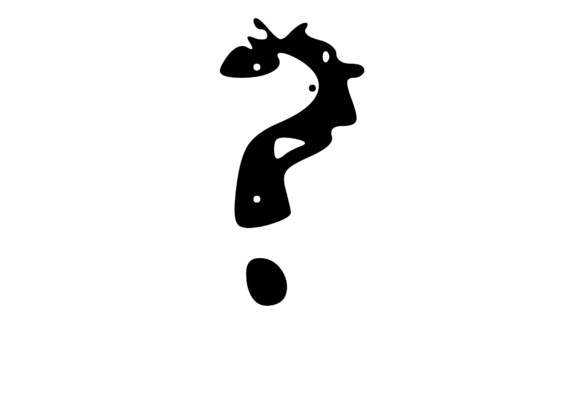
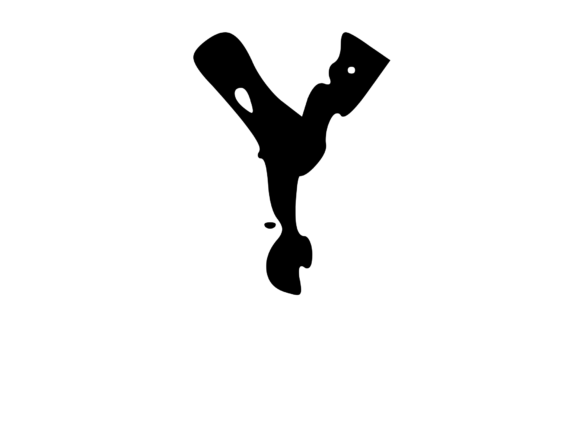
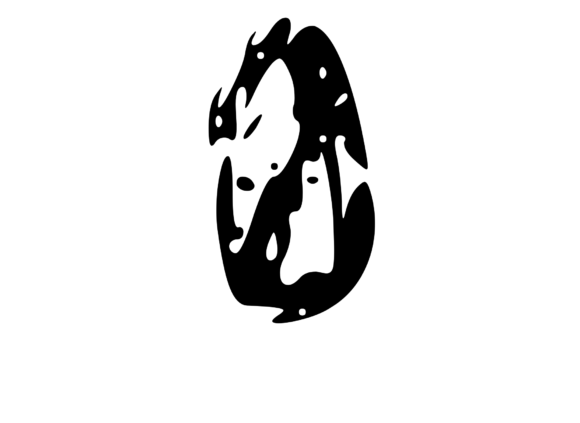
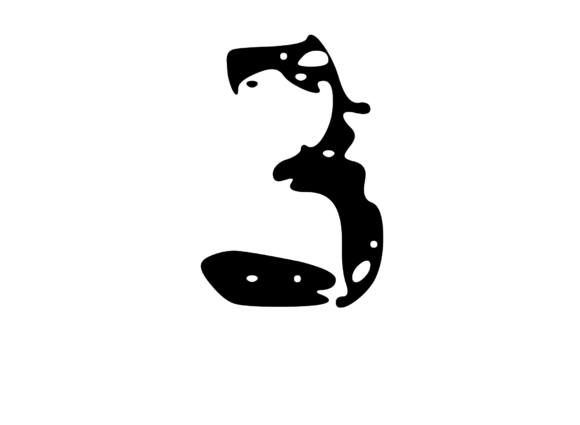
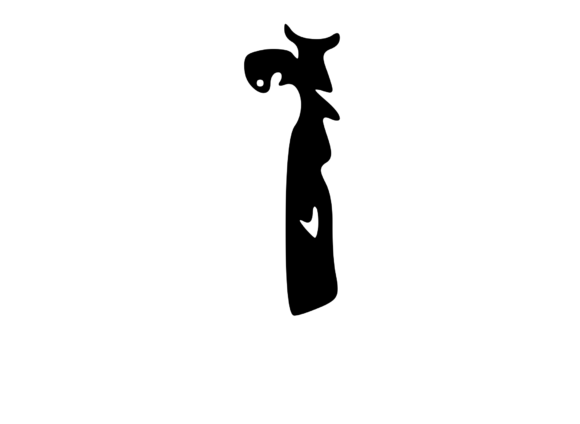
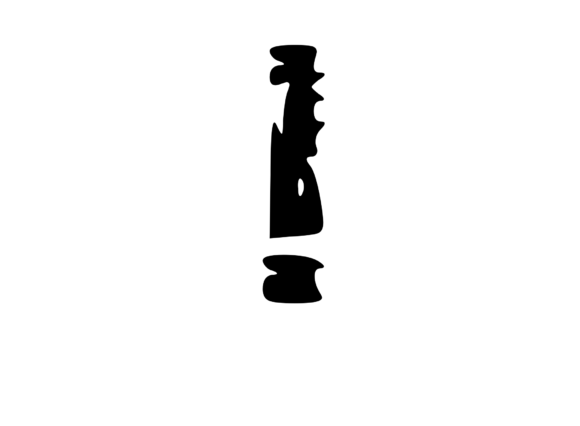
When I first opened the Decaying Rotten Mono Symbol Exclaim file, I knew immediately this wasn't going to be a sweet, delicate monogram. The mood is raw, distressed, and intentionally worn. The letterform carries a broken, crumbling edge that feels like something pulled off an abandoned building or a punk album cover from the 90s. As a designer who works with machine embroidery design files daily, I appreciate when a graphic has a strong personality before it even touches fabric. This one does. The question is whether that personality translates well into real embroidery projects, and that's exactly what I tested it for.
I run a small craft business focused on custom apparel and handmade goods, and I'm always looking for design assets that give my clients something different. The Decaying Rotten Mono Symbol Exclaim caught my eye because it offers a gritty, urban feel that's hard to find in most commercial embroidery catalogs. It belongs to the world of Graphics and Crafts, but I wanted to see how it holds up when stitched into fabric and turned into a finished product someone would actually wear or gift.
The Visual Personality and First Impression
This design has an identity. It's not trying to be pretty or polished. It leans into imperfection with cracked edges, uneven line weight, and a sense of decay that feels deliberate. The Decaying Rotten Mono Symbol Exclaim reads like a statement piece rather than a background accent. The single-letter format makes it versatile for monogram-style placements, but the distressed treatment gives it an edge that would appeal to clients looking for alternative, gothic, punk, or industrial aesthetics.
When I first examined the file, I noted the overall shape and negative space. The design has enough open area to allow the fill stitch and satin stitch elements to breathe, but there are also thin, cracked lines that could be tricky in smaller hoop sizes. The distressed texture relies on irregular edges, which means the stitch density needs to be managed carefully to avoid losing that ragged look under dense thread coverage.
For an Etsy seller or a small shop product creator, this design offers immediate visual differentiation. If you sell custom apparel at craft fairs or through an online shop, having a piece like this in your catalog signals that you offer more than basic script names and floral monograms. It gives you an entry point into a subculture market that often struggles to find well-designed embroidery file options.
How It Performs in Real Embroidery Projects
I tested the Decaying Rotten Mono Symbol Exclaim on a few different surfaces to see how it behaves under real stitching conditions. First, I ran it on a medium-weight cotton sweatshirt using a standard hoop size that accommodated the full design without crowding. The result was impressive. The distressed edges held their shape, and the satin stitch sections created enough contrast to make the decay effect pop against the fabric.
Next, I tried it on a tote bag design using a heavier canvas. This is where the design really shined. The thick fabric handled the stitch density well, and the rugged texture of the canvas complemented the worn look of the letter. I can see this working beautifully for embroidered patch applications as well, especially if you're making iron-on or sew-on patches for jackets, backpacks, or caps.
I also stitched it onto a lightweight cotton t-shirt, and here I had to adjust my approach. The stabilizer choice became critical. Because the design has areas of dense stitching next to thinner, cracked sections, using a tear-away stabilizer alone caused some distortion. I switched to a cut-away stabilizer and the results improved significantly. The Decaying Rotten Mono Symbol Exclaim needs stable support underneath to keep those distressed edges crisp.
For baby embroidery or delicate nursery decor, this design is probably not the right fit. The aesthetic leans rough and aged, which doesn't align with soft, sweet baby gifts. However, for holiday embroidery aimed at alternative markets, like Halloween-themed gifts or gothic Christmas decor, it would work perfectly.
Best Use Cases for This Design
After running several tests, here are the projects where I believe the Decaying Rotten Mono Symbol Exclaim delivers the most value:
- Custom apparel for adults, especially sweatshirts, hoodies, and jackets where the distressed look fits the garment's style
- Embroidered patch designs that can be sold separately or applied to bags, hats, and denim
- Tote bag design projects for boutiques or craft fairs that want an urban or industrial vibe
- Personalized gift items for clients who love punk, goth, rock, or alternative fashion
- Small shop product lines that need a distinctive monogram option beyond standard scripts
- Printable mockup assets for digital product sellers who create preview images for their embroidery listings
I also think this design could work well as part of a larger composition. If you're creating a full embroidery design for the back of a jacket or the front of an apron, the Decaying Rotten Mono Symbol Exclaim could serve as a bold central element surrounded by other distressed graphics or text. It has enough presence to anchor a layout without overwhelming it.
Where You Need to Be Careful
No design is perfect for every situation, and I ran into a few limitations worth noting. The Decaying Rotten Mono Symbol Exclaim has fine detail in the cracked areas that can get lost in smaller hoop sizes. If you try to scale it down significantly for a cap or a small personalized gift like a cuff bracelet or a tiny patch, those thin lines may become muddled. I recommend testing the design at your intended size on scrap fabric first before committing to a final product.
On dark fabrics, the design's contrast becomes critical. Because the distressed edges rely on subtle variation in the line work, using a dark thread on a dark background can cause those details to disappear. I tested it with a bright white thread on black fabric, and the decay effect was still visible, but with a dark gray or navy thread on a similar background, the cracks blended in too much. Choose your thread colors carefully to preserve the visual texture.
For curved surfaces like caps, this design may require additional stabilization and careful hooping. The irregular edges of the letter can pull unevenly if the fabric shifts during stitching. If you plan to use it on hats, I suggest a firm cap frame and a high-quality cut-away stabilizer to keep everything aligned.
Another consideration is commercial embroidery use. If you're producing items in volume for a craft business or Etsy seller shop, make sure you verify the licensing terms for the Decaying Rotten Mono Symbol Exclaim before selling finished products. The product description notes it's great for artists and crafters, but always confirm whether commercial use is allowed and if credit or attribution is needed. I recommend checking the file's included documentation or contacting the seller directly if you're unsure.
Practical Designer Notes Before You Sew
After working with the Decaying Rotten Mono Symbol Exclaim on multiple projects, I've compiled a few practical notes that will save you time and frustration:
- Test on scrap fabric first. Run a sample stitch-out on a fabric similar to your final project. Adjust stitch density and stabilizer type based on what you see. This is especially important for applique design work if you plan to layer fabrics behind the letter.
- Check thread color contrast. The distressed effect is most visible when the thread stands out against the fabric. Test in black and white mockups to see how the design reads before choosing your final colors.
- Confirm your hoop size. The design requires enough room to accommodate the full letterform without compressing the details. If your hoop is too small, the cracked edges may distort or overlap.
- Inspect the file for small details. Zoom in on the digital embroidery file before stitching. Look for any stray nodes or overlapping paths that could cause thread breaks or poor stitch quality.
- Use proper stabilizer. For most applications, a cut-away stabilizer will give the best results. For heavy fabrics like denim or canvas, a medium-weight cut-away works well. For thin or stretchy fabrics, consider a fusible stabilizer to prevent puckering.
- Test light and dark backgrounds. Stitch the design on both a light and a dark fabric to see how the decay effect translates. You may prefer one over the other depending on your target market.
- Confirm licensing before selling. Whether you're making handmade products for a boutique, listing items on Etsy, or creating digital product previews, verify that your use is covered. When in doubt, reach out to the designer for clarification.
Visual Appeal, Product Value, and Customer Trust
From a buyer's perspective, the Decaying Rotten Mono Symbol Exclaim adds a layer of personality that generic fonts and standard monograms simply don't offer. When a customer sees a finished product with this design, they recognize that someone took the time to source a unique graphic. That builds customer trust and positions your handmade product as something special rather than mass-produced.
In terms of giftability, this design appeals to a specific but passionate audience. It's not for everyone, but the people who love it will seek it out. If you're a creative entrepreneur building a small shop product line, having pieces that cater to niche tastes often leads to stronger buyer engagement and repeat customers.
The professionalism of the finished product depends heavily on your stitching execution. A well-stitched version of this design looks intentional and artistic. A poorly stitched version with pulled threads or distorted edges looks sloppy. That's true of any machine embroidery design, but the irregular nature of this graphic means you need to be especially diligent during setup.
For apparel decorators and small business owners, the Decaying Rotten Mono Symbol Exclaim offers a way to differentiate your product line without needing to create original artwork from scratch. It's a ready-to-use embroidery file that brings its own character to the table. If you pair it with the right fabric, thread, and stabilizer, the result is a finished product that feels curated and professional.
I've added this design to my active rotation for custom orders, particularly for clients who want something with an edge. It performs well on sweatshirt embroidery projects, tote bags, and embroidered patches. It requires a bit more attention than a standard clean monogram, but the payoff is a design that stands out in a crowded market. For any designer, hobbyist, or maker looking to expand their creative range, this is worth a test stitch.