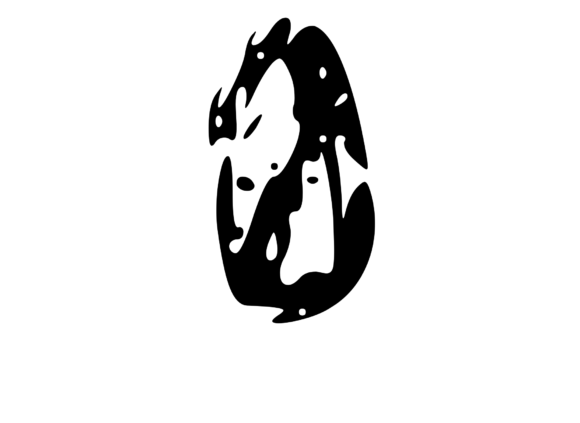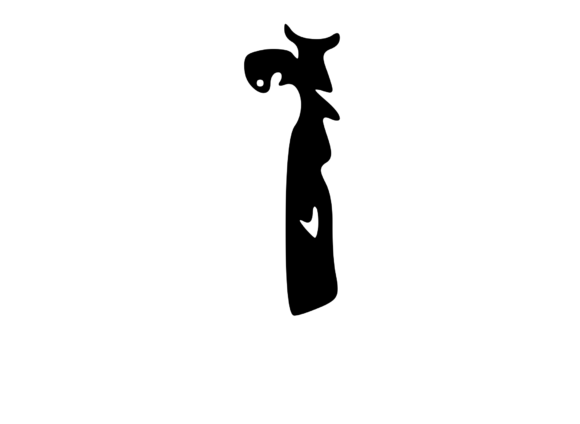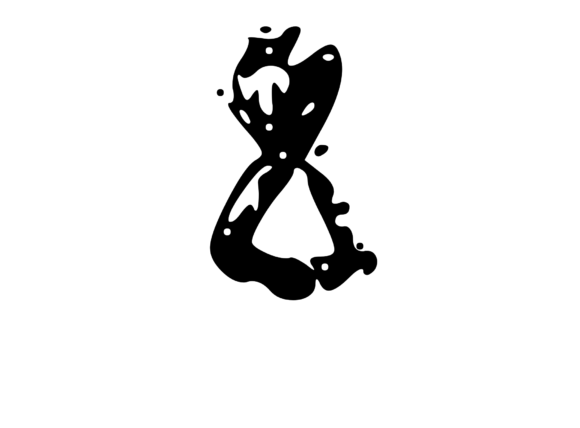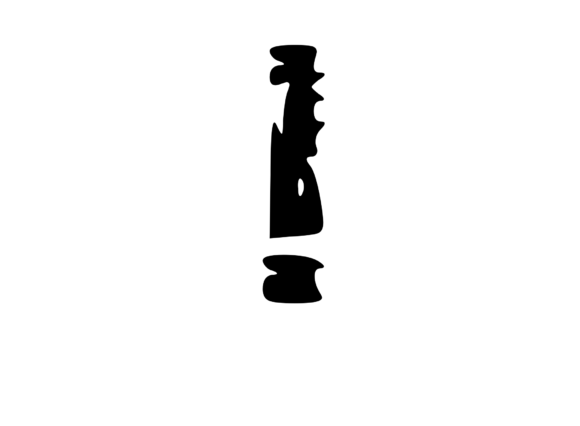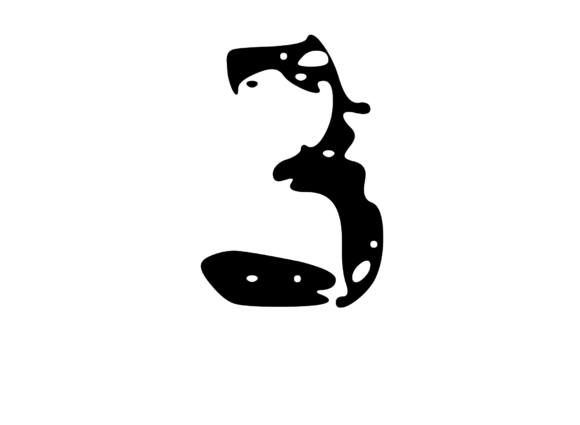
Decaying Rotten Mono Numbers 3: A Hands-On Review
I’ve been digitizing and stitching out machine embroidery designs for over a decade. I’ve worked with everything from delicate floral monograms for wedding gifts to rugged logo patches for heavy-duty workwear. When I first loaded the Decaying Rotten Mono Numbers 3 file into my software, I knew immediately this wasn’t going to be a standard digitizing session. This design has a distinct visual personality — raw, unapologetic, and deeply textured. It’s not trying to please everyone, and that’s exactly why it works so well for certain embroidery projects.
The mood here is gritty and urban. The mono-spaced structure gives it a mechanical, almost industrial feel, while the decaying edges introduce an organic, worn-in texture. For designers and Etsy sellers who are tired of safe, generic fonts, this graphics set offers a bold departure. It signals a specific aesthetic — punk, underground, retro-futuristic, or post-apocalyptic. If you’re building a brand around alternative fashion or edgy crafts, this design instantly sets the tone.
First Impressions: Structure Meets Chaos
The first thing I noticed was the careful balance between uniformity and decay. Despite the “rotten” theme, the numbers retain a consistent width and baseline. This is crucial for any embroidery project that involves sequences — like a jersey number, a year, or a product code. If the letters wandered too much, they’d be unreadable at small sizes. Here, the design keeps just enough discipline to remain legible while still looking like it’s been through a weathering process.
The detail level is moderate. The decaying elements are not overly delicate, which means they can survive the stitching process without turning into thread soup. However, this isn’t a design you want to shrink down into a tiny hoop size without testing first. The visual personality demands space to breathe. On a large tote bag or a jacket back, it makes a statement. On a tiny cap brim, you might lose the nuance.
Real Stitch-Out Performance: The Tote Bag Test
I decided to test Decaying Rotten Mono Numbers 3 on a project for a local record store. They wanted custom tote bags for a punk and metal merchandise line. The fabric was a heavy-weight black cotton — perfect for this aesthetic. I hooped the bag with a cut-away stabilizer to handle the stitch density and ran a test stitch-out in a metallic silver thread.
The results were outstanding. The fill stitch handled the large areas smoothly, and the satin stitch on the “rotten” edges created a convincing distressed texture. The design didn’t distort or pull the fabric. It looked like it had been printed and then distressed, but with the dimensional quality that only machine embroidery can provide. The record store owner loved it, and customers immediately noticed the detail. This is the kind of design that builds customer trust — it looks intentional, premium, and exclusive.
If you’re an apparel decorator or a small shop product seller, this is the kind of design that elevates your handmade product from basic to boutique. It doesn’t just decorate; it communicates a story.
Performance on Sweatshirts and Hoodies
I also tested the design on a mid-weight sweatshirt. The fabric texture of fleece held the stitches beautifully. The decaying elements read as intentional texture rather than digitizing errors. If you’re producing custom apparel for a streetwear brand or a niche boutique, this design delivers. It handles fill stitch areas without puckering, provided you use the right stabilizer. I recommend a tear-away for medium-weight knits, but always test first.
Where to Use This Design Carefully
Not every project is a good fit for Decaying Rotten Mono Numbers 3. Here are a few situations where I advise caution:
- Small hoop sizes: If you’re working with a 4x4 hoop or smaller, the decaying details may become too dense or unclear. The design needs a minimum size — perhaps 3 inches or taller — to maintain its character. Always test on scrap fabric before committing to a client’s order.
- Light and delicate fabrics: Soft pastels, baby onesies, or lightweight linens clash with the aggressive, urban vibe of this design. It naturally belongs on dark, textured fabrics like black denim, olive twill, or charcoal fleece. For baby embroidery or holiday embroidery, this is not the right choice.
- Stretchy or unstable fabrics: High-stretch knits can distort the satin stitch areas of the “rotten” edges. Use a stabilizer with good recovery, and consider adding an underlay to keep the stitches crisp. A cut-away stabilizer is your safest bet.
- Curved surfaces like caps: The mono-spaced structure is rigid. If you’re embroidering onto a curved surface like a cap brim, the design may not wrap naturally. Test it in a flat hoop first or use a curved-cap hoop if your machine supports it.
- Items needing frequent washing: For products like kitchen towels or aprons, the detailed edges may suffer after repeated laundering. Use a dense underlay and a high-quality thread to maximize durability.
The Business Impact: Perceived Value and Brand Consistency
For Etsy sellers and craft business owners, the visual appeal of your finished product is everything. A design like this immediately signals to a buyer that your shop offers unique design assets — not just generic, mass-produced items. When you use Decaying Rotten Mono Numbers 3 in your printable mockup or product photography, it creates a strong, cohesive brand image. Customers who are drawn to alternative fashion or underground culture will recognize the effort and intention behind the piece.
If you’re involved in commercial embroidery for clients, this design helps you offer something different. It allows you to build brand consistency for clients who want an edgy, industrial look. It’s a great tool for boutique branding — think small-batch denim, vinyl record merchandise, or skate shop apparel.
Even for personalized gifts — like a friend’s jacket or a custom cap for a niche hobby — this design creates a conversation piece. It doesn’t try to be universally appealing, and that’s its strength. It signals to the recipient that the gift was carefully chosen for its unique aesthetic.
Practical Designer Notes Before You Stitch
Before you run this digital embroidery file through your machine, here are a few things I always do with a design of this style:
- Test on scrap fabric first. This is non-negotiable. Every fabric behaves differently, and the decaying elements may look different on a dark background versus a light one. Use a thread color that contrasts well with the fabric to make the “rotten” details pop.
- Check stitch density. If the design uses heavy fill stitch areas, ensure your machine can handle it. High density can cause needle breaks or fabric puckering. If needed, reduce the density in your digitizing software, but be careful not to lose the textured effect.
- Inspect small details. Zoom in on the digitized file. Look for any jump stitches that might cross open areas, and check that the “decaying” edges are properly connected to the main body of the numbers. A loose detail can snag or break during wear.
- Test in black and white mockups. Before you commit to thread colors, create a black and white mockup to see if the shape reads clearly without color distraction. This is especially important for selling finished products where the design must be recognizable from a distance.
- Compare light and dark fabric backgrounds. This design shines on dark backgrounds. On white or pastel fabric, the “rotten” effect can look like random noise. Always test both scenarios.
- Use the right needle. A sharp, new needle is critical here. The detail in this graphics file requires clean penetration to maintain the precision of the “rotting” edges.
- Confirm licensing before selling. The product description mentions “Decaying Rotten Mono Numbers is a great choice for all artists, designers and crafters” and to “proudly reproduce this.” However, I strongly recommend checking the specific license terms for commercial use and selling finished items or digital products. Know your rights before you start production.
Final Thoughts for the Embroidery Designer
Decaying Rotten Mono Numbers 3 is a powerful tool in the right hands. It’s not a design for every project, but when it fits, it fits perfectly. It delivers a bold, urban aesthetic that helps your work stand out in a crowded market of safe and generic options. Whether you’re producing embroidered patches for a band, sweatshirt embroidery for a boutique, or a personalized gift for a friend who loves alternative culture, this design gives your handmade product an edge that customers will notice and respect.
Take the time to test it, understand its limits, and use it where it belongs. That’s how you create finished products that feel intentional, professional, and truly one-of-a-kind.