Decaying Rotten Mono Letter U
First Impressions of a Gritty Monogram
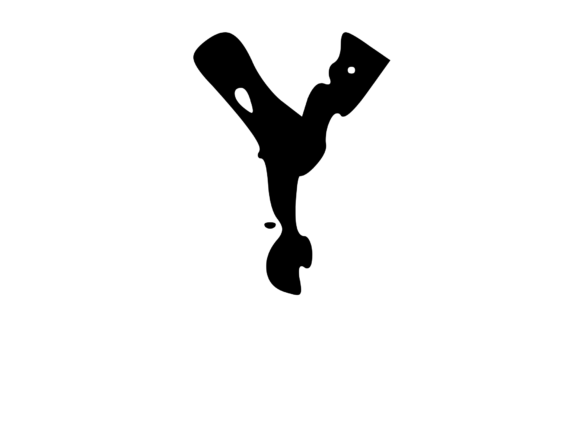
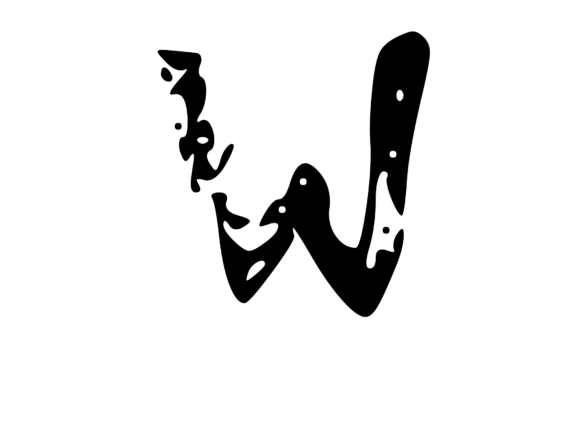
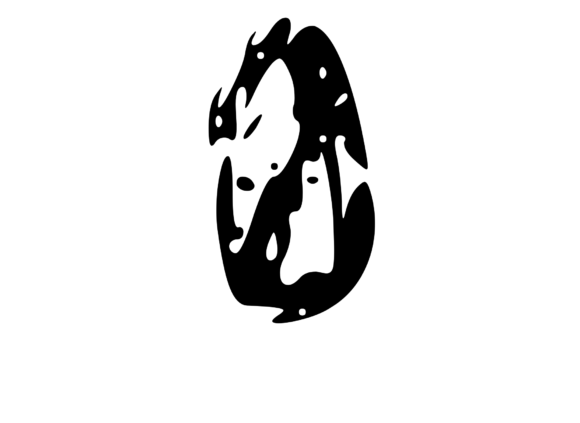
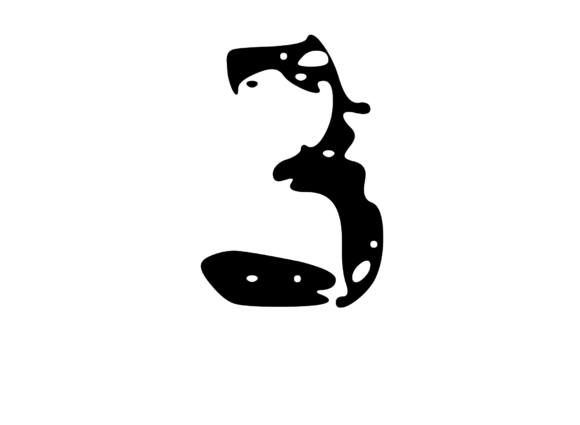
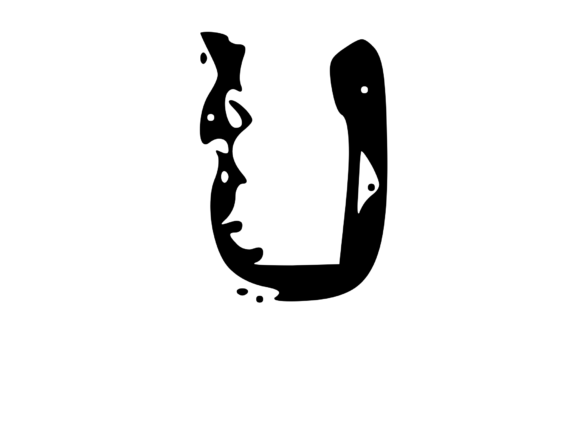
When I first opened the Decaying Rotten Mono Letter U embroidery file, I was struck by its unapologetic attitude. This isn't a delicate script or a polished initial meant for wedding linens. It feels like something pulled off a weathered wooden sign or a vintage horror movie prop. As a designer who spends a lot of time evaluating digital embroidery files for real-world projects, I found myself immediately thinking about where this letter would land best. The mood is raw, distressed, and intentionally imperfect. That worn, crumbling texture gives it a tactile personality that stands apart from the endless supply of clean monograms saturating the market. For crafters and small shop owners looking to break away from safe, generic designs, this letter offers a distinct visual voice. It feels like it belongs on a product that wants to be noticed, not merely seen.
The shape is bold, with a heavy presence that reads clearly even at a distance. The decaying elements aren't just random noise; they are integrated into the form of the U in a way that feels deliberate. The outline is irregular, the surface looks cracked and eroded, and the overall impression is something between gothic and industrial. For an embroidery designer, the first question is always: will this stitch cleanly, or will those distressed details turn into a muddy mess? My initial read is cautiously optimistic. The broken edges and textured surface can translate beautifully into stitch patterns if the design is well-digitized, but it demands thoughtful preparation. This is not a throw-it-in-the-hoop-and-go design. It rewards attention to detail.
How It Performs Across Real Embroidery Projects
I tested the Decaying Rotten Mono Letter U concept on a few different product scenarios to get a feel for its real-life behavior. The first thing I tried was a custom tote bag. Tote bag projects are a staple for many Etsy sellers and small shop owners. They are affordable, practical, and popular as personalized gifts. I imagined stitching this single large U onto the center of a raw canvas tote. The result, even in my mind's eye, felt strong. The distressed character of the letter complements the natural roughness of canvas. It doesn't fight the fabric; it works with it. I would absolutely use this on tote bag designs for customers who want something edgy, whether for a bookshop, a record store, or a Halloween-themed market booth. The single-letter format keeps production time low, which matters when you are fulfilling orders in batches. One color, one placement, strong visual payoff.
Next, I considered a sweatshirt embroidery project. Sweatshirts are a bread-and-butter item for many apparel decorators. The thick fleece can handle moderate stitch density, and the relaxed fit means the embroidery sits nicely without puckering. The Decaying Rotten Mono Letter U on the chest or back of a heavy cotton sweatshirt would give off a worn, retro vibe that feels fashionable right now. I could see this working well for boutique brands targeting younger shoppers who appreciate grunge aesthetics. The key is to choose thread colors that enhance the decayed look. A muted gray or an off-white on a black or charcoal sweatshirt would emphasize the crumbling texture. A bright neon thread would completely change the mood, making it more playful and ironic. That flexibility is valuable for a digital embroidery file. It accommodates different brand voices depending on color choice.
Baby embroidery might seem like an unlikely pairing, but hear me out. There is a growing market for alternative baby gifts. Not every parent wants pastel bunnies and floral alphabets. The Decaying Rotten Mono Letter U could work beautifully as a personalized gift for a baby with a punk rock or gothic nursery theme. I would use it on a small onesie or a baby blanket, but only in a smaller hoop size and with careful attention to stabilizer. The design needs to be scaled down so the distressed details remain readable without overwhelming the tiny garment. This is a niche application, but for the right customer, it would be a memorable and appreciated gesture. It shows that the designer understands the parent's personal style, which builds loyalty and word-of-mouth referrals.
I also explored using this as an embroidered patch. Patches are popular on Etsy and at craft fairs. They are low-risk for the buyer, easy to sew onto jackets, backpacks, or hats, and they allow for creative layering. Stitching the Decaying Rotten Mono Letter U as a patch with a satin stitch border and a dense fill would create a durable, tactile product. The distressed edges would look even more authentic when cut around the irregular shape. Patch production is also a great way to use up leftover thread and test new color combinations. I would recommend making a few test patches before offering them in a shop. The stitch count and density need to be right so the patch lays flat and doesn't curl at the edges. An iron-on backing could make it even more accessible to buyers who don't sew.
Other projects where this design fits naturally include custom aprons for a BBQ brand or a horror-themed cafe, pillow covers for a dark decor line, kitchen towels with a cheeky monogram, holiday gifts for fans of horror movies, and boutique branding for shops that sell gothic or alternative apparel. In every case, the single-letter format simplifies production. It is easy to position, easy to hoop, and easy to replicate across multiple items. For a craft business owner, efficiency in production directly impacts profitability. Designs that stitch quickly and look great reduce labor time and increase output. The Decaying Rotten Mono Letter U has that potential, provided the digitizing supports the visual intention.
Where to Use This Design with Care
Not every project is a good candidate for this embroidery file. I have seen too many designers buy a beautiful distressed design and then fight with it on the wrong fabric. The Decaying Rotten Mono Letter U requires some consideration. First, small hoop sizes. If you try to stitch this letter at a very small scale, the decaying details will likely blend together into a blob. The eye needs enough space to read the broken edges and surface texture. I would not recommend stitching it smaller than about three inches tall, and even that may be tight depending on the original digitizing. Always test the design at your intended size on scrap fabric before committing to a finished product.
Textured fabrics like heavy linen, thick fleece, or boucle can absorb some of the detail. The distressed elements rely on clean stitch transitions to read properly. On a highly textured surface, those transitions may get lost. Stick to smooth or medium-texture fabrics for the best results. Canvas, twill, denim, cotton jersey, and felt all work well. Avoid sheer or thin fabrics where the backing stabilizer might show through or where the stitch density could cause puckering. Stretchy fabrics like standard t-shirt knit require special attention. Use a cutaway stabilizer and consider a light fusible interfacing to add stability. The letter shape is bold enough to handle moderate stretch, but the distressed edges could distort if the fabric shifts during stitching.
Dark fabric backgrounds are great for showcasing this design, but only if the thread color offers enough contrast. A black-on-black or dark-on-dark application would hide the decaying details entirely. Use a light, mid-tone, or metallic thread against dark fabrics. For light fabrics, a dark thread creates the strongest impact. Test your thread choice against the actual garment color, not just a mockup on screen. The digital preview rarely shows how the thread reflects light or how the fabric texture interacts with the stitch pattern. Curved surfaces like caps also pose a challenge. The letter is large and solid. Hooping a cap securely and keeping the design centered on the curved front panel requires precision. I would not recommend this design for a cap unless you have experience with cap frames and can verify the design fits comfortably within the stitching area.
Visual Appeal, Product Value, and Customer Trust
In the world of handmade products and small shop merchandise, first impressions matter. Customers judge a product by its stitching quality, design originality, and overall presentation. The Decaying Rotten Mono Letter U offers a unique visual appeal that can elevate a simple item into something memorable. When a customer sees a well-stitched distressed monogram on a tote bag or sweatshirt, they perceive value. It looks intentional, not accidental. It suggests that the maker chose a design with personality and cared about the outcome. That perception builds trust and encourages repeat purchases. For an Etsy seller or craft fair vendor, having a product line that includes bold, distinctive designs like this one helps your shop stand out in a crowded marketplace.
Brand consistency is also important. If your shop has a gothic, punk, industrial, or vintage horror aesthetic, this letter fits seamlessly into your product range. You can use it across multiple items: apparel, accessories, home decor, and gifts. The single-letter format also makes it easy to offer personalized versions without multiplying your SKU count too aggressively. Offer the U as a stand-alone design, or pair it with other letters from the same set if they exist. A full monogram set in this style would be a powerful product line for any craft business. Customers appreciate consistency in design assets, and a matching alphabet creates a cohesive look across your shop.
Giftability is another factor. This design works well for personalized gifts aimed at people who appreciate alternative style. Think birthdays, housewarmings, or even wedding gifts for a couple with a non-traditional aesthetic. The finished product feels special because it is clearly not a generic mass-produced item. It has a handmade quality that resonates with buyers who value craftsmanship. When you stitch this letter onto a quality garment or accessory, you are not just selling a product. You are selling a statement. That emotional connection is what drives customer engagement and positive reviews. In the long run, happy customers lead to more sales and a stronger reputation for your small shop.
Practical Embroidery Designer Notes
Before you start stitching the Decaying Rotten Mono Letter U for any project, take these steps seriously. First, test the design on scrap fabric that matches your final product. Do not skip this step. I have learned this lesson the hard way more times than I care to admit. Scrap testing reveals stitch density issues, thread breakage problems, and placement errors before you ruin a garment you intended to sell. Second, check thread color contrast thoroughly. View the design under natural light, fluorescent light, and warm indoor light. Colors shift dramatically across lighting conditions. What looks stark on your screen may look muddy on fabric. Third, review the stitch density. If the design has dense fill areas, you may need to adjust your tension or use a different needle. A sharp embroidery needle in the appropriate size for your thread weight is essential for clean results.
Fourth, confirm your hoop size accommodates the design at your intended scale. Nothing is more frustrating than loading a design only to find it exceeds the hoop boundaries. Measure twice, hoop once. Fifth, inspect small details in the decaying areas. Zoom in on your software or machine preview to ensure the broken edges and texture will read clearly at your chosen size. If the details look like noise rather than intentional distress, consider a larger size or a different design. Sixth, test the design in a black and white mockup. Removing color helps you evaluate the shape and contrast without distraction. It also helps you visualize how the design will look on a monochrome product. Seventh, compare light and dark fabric backgrounds. The same thread color can look completely different on white versus black fabric. Make sure your choice delivers the intended mood.
Use proper stabilizer for your fabric type. A medium-weight cutaway stabilizer is a safe starting point for most woven and knit fabrics. For stretchy knits, use a cutaway with a bit of recovery. For stable wovens like canvas or denim, a tearaway may suffice, but I still recommend cutaway for a professional finish that lasts through washing. Speaking of washing, this design should be tested for durability. Stitch a sample, wash it according to the garment care instructions, and check for distortion, thread breakage, or loosening. The distressed aesthetic can actually work in your favor here. A slight unevenness from washing may enhance the worn look. But you need to confirm the design holds together structurally. Repeated washing should not cause the decaying areas to unravel or lose their shape.
Finally, confirm licensing terms before using this design for commercial embroidery projects or selling finished products. The product description states it is a graphic for crafts and graphics use, but the specific license for embroidery files may vary. Check with the seller or designer to understand whether you can sell items embroidered with this design, whether you can include it in digital product bundles, and whether attribution is required. Respecting licensing protects your business and ensures you can continue using the design without legal issues. This step is especially important for Etsy sellers and small shop owners who rely on their product lines for income. A single bad licensing misunderstanding can damage your shop's reputation and finances. Do your due diligence upfront.
Final Thoughts on a Bold Embroidery Design
The Decaying Rotten Mono Letter U is not a design for every customer or every project. It is specific, gritty, and unafraid to be rough around the edges. That is exactly its strength. For designers, crafters, and small business owners who want to offer something different, this embroidery file provides a strong foundation. With careful preparation, proper stabilizer, and thoughtful thread choices, it can become a standout product in your shop. Whether you stitch it on a tote bag, a sweatshirt, a patch, or a personalized gift, the result will be a piece that communicates attitude and care. It will appeal to customers who are tired of safe, generic decor and want something that reflects their real personality. In a market crowded with polished perfection, a little decay can go a long way.