Sweet Summer Ice Lolly Mono S: A Designer's Review
When I first opened Sweet Summer Ice Lolly Mono S, I was curious how a single-color design with such a playful theme would hold up in real embroidery work. As someone who has tested hundreds of embroidery files for custom apparel, handmade gifts, and small shop merchandise, I have learned that a design can look great on screen but disappoint after stitching. This one surprised me in several ways. Let me walk through what makes it work, where it fits best, and how to get the most out of it for your projects.
First Impressions and Visual Personality
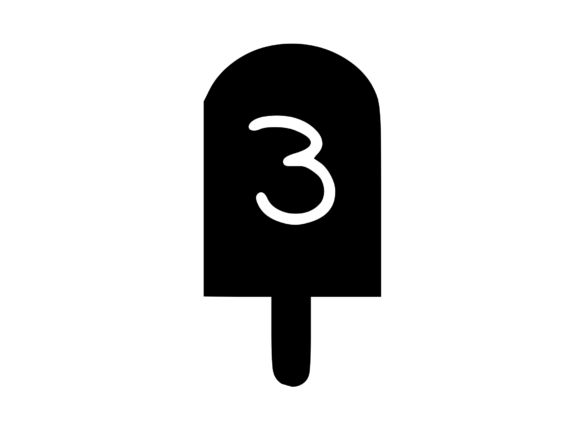
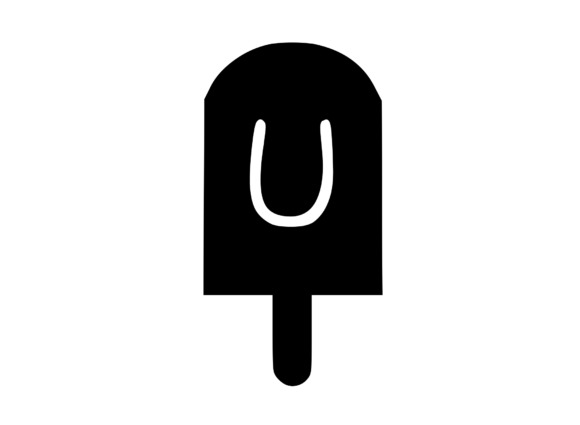
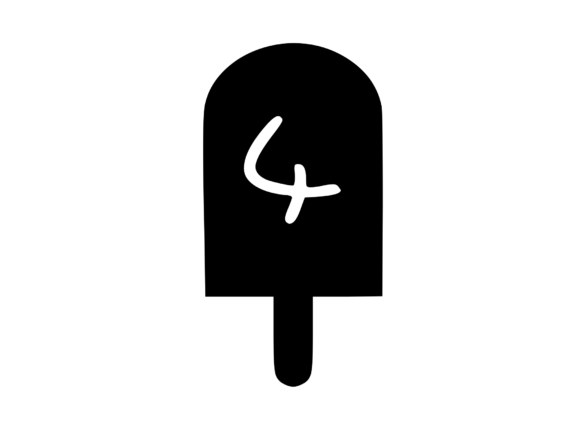
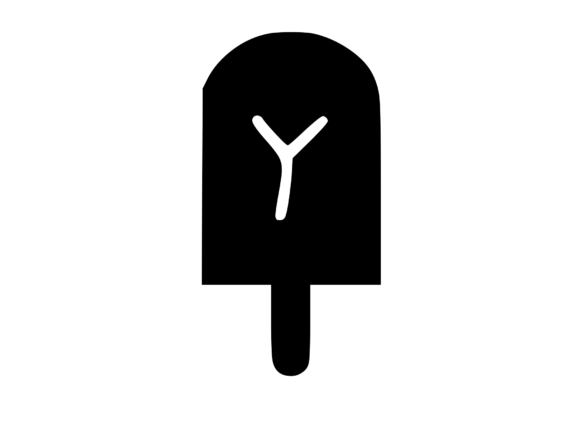
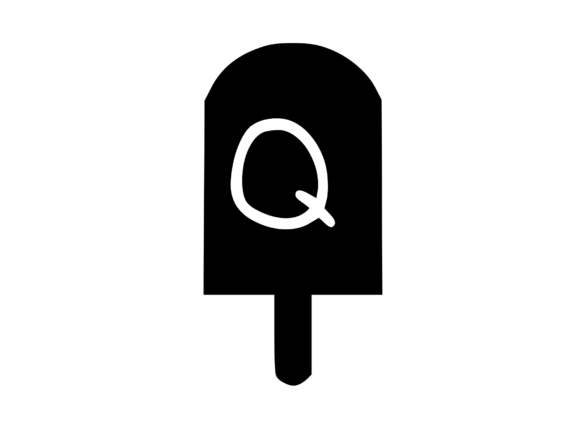
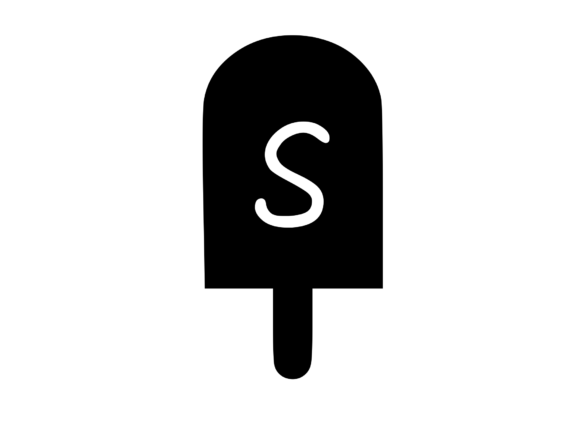
The design captures a classic ice lolly shape with clean, recognizable lines. It is simple without being boring, and the mono format gives it a bold, graphic quality that translates well into stitched form. The mood is light, nostalgic, and summery. It feels like something you would see on a boutique tote bag, a handmade kitchen towel, or a custom sweatshirt for a small batch of seasonal products. The lack of heavy detail works in its favor because it keeps the design readable from a distance, which matters for apparel and accessory embroidery.
Because it is a mono design, you are working with a single thread color. That forces you to think carefully about contrast and fabric choice. I found that this design shines when you pair it with a high-contrast fabric. A bright white or pastel lolly on a dark cotton tote bag, or a deep red lolly on a natural linen apron, creates immediate visual pop. The design does not rely on multiple thread colors to tell its story, so the silhouette has to be strong. It is.
How It Performs in Real Embroidery Projects
I stitched Sweet Summer Ice Lolly Mono S onto a medium-weight cotton sweatshirt first. This is a common test for me because sweatshirt fabric has enough body to hold detail but can still show density issues if the design is too heavy. The result was clean. The satin stitch areas filled smoothly, and the running stitch outlines stayed crisp. I did not notice any puckering or distortion, which tells me the stitch density is well balanced for a design of this scale.
Next, I tried it on a lightweight tote bag made from unbleached cotton. This fabric has more give and a looser weave. On the tote bag, the design held up well, though I recommend using a medium-weight cutaway stabilizer to prevent the stitches from sinking into the fabric. The single-color format actually helps here because there is less thread buildup, so the design remains flat and professional.
For a patch project, I stitched it onto twill fabric with a heavy tear-away stabilizer. The design digitized nicely for patch work. The edges were clean, and the shape did not distort during trimming. I could see this being a popular choice for small shop merchandise, especially for seasonal craft fair displays or summer-themed product drops.
I also tested it on a baby onesie. This is always a risky move because baby garments are small and the fabric is stretchy. I used a lightweight cutaway stabilizer and a small hoop. The design stitched without shifting, and the finished result was soft enough to feel comfortable against sensitive skin. The playful theme works well for baby embroidery, and the mono format keeps the design from feeling overwhelming on a tiny garment.
Best Use Cases for Your Shop or Portfolio
If you sell finished products on Etsy or at craft fairs, Sweet Summer Ice Lolly Mono S fits naturally into several product categories. I would recommend it for:
- Custom tote bags for summer markets or beach-themed shops
- Sweatshirt embroidery for boutique apparel lines
- Kitchen towels with a playful, seasonal vibe
- Embroidered patches for denim jackets or backpacks
- Baby onesies and toddler tees for summer birthday gifts
- Pillow covers with a fresh, modern look
- Aprons for small bakeries or ice cream shops
- Personalized gifts for summer weddings or housewarming parties
The design also works well as a digital product for printable mockups. Because it is an SVG, you can scale it and preview it on product photos before stitching. That is a big advantage for sellers who create mockups for their Etsy listings or social media. You can show customers exactly how the finished product will look without stitching a single sample first. This saves time and reduces waste.
Where to Use It Carefully
No design is perfect for every situation. I found a few scenarios where you need to be cautious with Sweet Summer Ice Lolly Mono S. If you are working with a very small hoop size, the detail in the lolly shape may become too compressed. The design is not overly dense, but shrinking it below a certain threshold can cause the satin stitches to bunch up. Always test at the intended stitch size before committing to a final product.
On stretchy fabrics like ribbed knits or thin jersey, the mono format can cause the fabric to pull if the stabilizer is not strong enough. I recommend using a cutaway stabilizer for anything with stretch. Tear-away stabilizer works fine on stable woven fabrics like quilting cotton or twill, but for apparel, stick with cutaway.
Dark fabric is another consideration. Since this is a single-color design, the contrast between thread and fabric is everything. A light-colored lolly on a dark background will read clearly. A dark-colored lolly on a dark background will disappear. If you plan to stitch it on black or navy fabric, use a bright thread color like white, yellow, or neon pink to maintain visibility.
For curved surfaces like caps or small cylindrical items, the design's shape is straightforward enough to work, but you need to hoop carefully and use a cap frame if available. The lolly is tall and narrow, so centering it properly on a curved surface takes a little practice. I would recommend testing on a flat fabric first before moving to caps.
Visual Appeal and Customer Impact
From a customer's perspective, this design reads as cheerful and approachable. It does not try to be overly detailed or realistic, which is actually a strength for handmade products. Customers who buy personalized gifts or boutique apparel tend to prefer designs that feel intentional and clean. Sweet Summer Ice Lolly Mono S delivers that. It looks professional without looking mass-produced.
When I showed a sample to a few friends who run small shops, they commented that the design felt "giftable." That is a term I hear often from successful Etsy sellers. A giftable design is one that a customer can imagine buying for someone else without hesitation. The ice lolly theme is universally recognizable, and the mono format keeps it versatile enough to work for both children and adults. I could see this being a popular choice for summer hostess gifts, teacher appreciation presents, or baby shower favors.
For brand consistency, if you have a shop that focuses on seasonal or food-themed designs, this fits right in. It is specific enough to feel curated but simple enough to pair with other designs in a collection. That matters for sellers who want to build a cohesive product line.
Practical Designer Notes Before You Stitch
Before you use this design in a finished product, I recommend a few quick checks. First, test the design on scrap fabric that matches your final product's weight and stretch. This will tell you immediately if the stitch density feels right for that fabric. Second, review the thread color against both light and dark fabric backgrounds. A color that looks great on a white mockup may feel flat on a navy sweatshirt. Third, confirm your hoop size. The design should fit comfortably within your hoop without crowding the edges.
Because Sweet Summer Ice Lolly Mono S is an SVG file, you have flexibility to scale it before converting to an embroidery file. This is a big advantage for digital product sellers and designers who create mockups. You can use the SVG to preview the design on product photos, adjust the scale, and make sure the proportions feel right before you spend time stitching. For commercial embroidery projects, always verify the licensing terms before selling finished items or digital products. The product description states that it is a great choice for artists, designers, and crafters, but you should confirm whether commercial use is allowed for your specific business model.
If you are planning to sew the design onto items that will be washed frequently, such as kitchen towels or baby clothes, test the thread color for colorfastness and check that the stabilizer will hold up after multiple washes. For items that will be displayed rather than washed, like pillow covers or wall art, you have more flexibility with stabilizer and thread choices.
Final Thoughts on Sweet Summer Ice Lolly Mono S
After working with this design across several fabric types and product categories, I can say that it is a solid addition to any embroidery designer's library. It does not overcomplicate itself. It knows what it is: a clean, playful, mono graphic that works best when you let the shape and thread color do the talking. For small business owners and crafters who need designs that stitch well, look professional, and appeal to a broad customer base, this one earns its place in the rotation.
I would use it again for summer merchandise, gift items, and personalized products where a light, cheerful mood fits the brand. It is not a design for every project, but for the right project, it delivers exactly what you need: a clean stitchout, a happy customer, and a product that sells itself.