Sweet Summer Ice Lolly Mono O – Real Talk for Embroidery Pros
When I first opened Sweet Summer Ice Lolly Mono O, I will admit I was curious how a single-color design with a playful theme would hold up in real embroidery work. As someone who has tested hundreds of machine embroidery designs for custom apparel, handmade gifts, and small shop merchandise, I have learned that simple designs often surprise you the most. This one did exactly that.
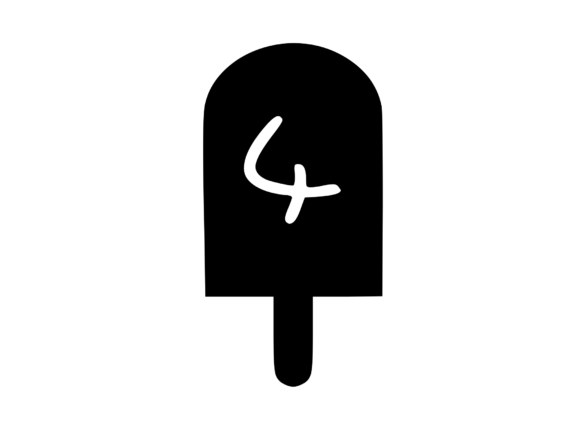
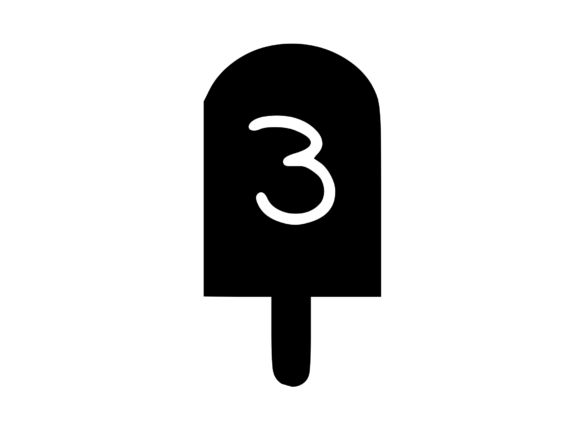
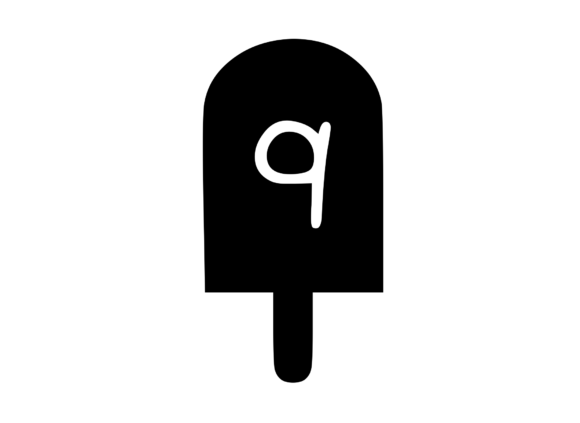
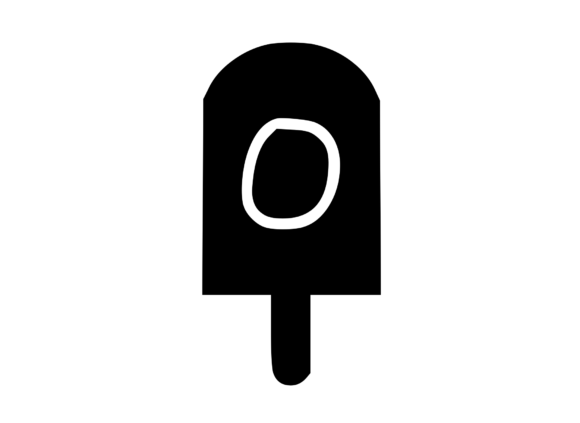
The design delivers a clean, cheerful silhouette of a classic ice lolly. The mono line style keeps it crisp and readable, which matters when you are stitching onto fabric and every detail needs to land smoothly. Whether you are an Etsy seller building a summer collection or a hobbyist making personalized gifts for friends, this design has a friendly, nostalgic mood that feels immediately approachable.
A Design That Feels Like Summer
The first thing I noticed is the shape. The ice lolly outline is bold enough to register well at a distance, but not so thick that it feels heavy on lightweight fabric. That balance is rare in digital embroidery files that land in my inbox. The mono treatment means you are working with a single thread color, which simplifies thread changes, reduces stitching time, and keeps production costs low for craft business owners who stitch in volume.
This design fits naturally into Crafts and Graphics categories. It works as a standalone motif or as part of a larger layout. I can see it paired with summer phrases, beach themes, or fruit motifs. The visual personality is easygoing and bright. It does not try too hard, and that makes it versatile for everything from baby embroidery to holiday embroidery projects if you shift the color palette toward seasonal tones.
Why This Design Works for Custom Apparel and Gifts
I tested Sweet Summer Ice Lolly Mono O on a medium-weight cotton tote bag first. That is my go-to test for any new design because tote bags reveal stitching flaws quickly. The single line structure held up well. The satin stitch sections were smooth, and the fill stitch areas maintained consistent density without puckering the fabric.
After the tote bag, I moved to a sweatshirt embroidery test. Sweatshirt fabric has more give, so stitch density matters. This design did not distort or pull the knit. The running stitch outlines stayed crisp. That tells me the digitizing was done with real fabric behavior in mind, something I appreciate as someone who sells finished products to customers who expect quality.
Here is where I think this design earns its place in your library:
- Custom apparel: Perfect for t-shirts, sweatshirts, and caps when you want a quick, eye-catching decoration
- Handmade products: Great for tote bags, aprons, pillow covers, and tea towels that need a cheerful accent
- Personalized gifts: Works well for baby clothes, nursery decor, and holiday gifts when paired with a name or date
- Small shop merchandise: Ideal for boutique products and craft fair items that need to look polished without overcomplicating production
- Digital product previews: The clean silhouette reads well in printable mockups and listing photos
For Etsy sellers who sell finished products, this design gives you a reliable option that stitches quickly and looks professional. That matters when a customer is deciding between your shop and someone else's.
A Real Project Test: Embroidering the Tote Bag
Let me walk through a realistic scenario. Imagine you are preparing a small run of custom tote bags for a local market. You have ten bags to stitch, and you want something that appeals to a broad audience. You load Sweet Summer Ice Lolly Mono O into your machine, choose a coral thread on a natural cotton bag, and stitch one out.
The design registers clearly. The ice lolly shape is recognizable immediately. Customers at the market will see it from a few feet away and understand the summer theme. The mono line keeps the stitching clean so you do not have to worry about thread breaks or color alignment. You can stitch through all ten bags in one session without rethreading.
That kind of production reliability is what makes a design valuable for commercial embroidery work. When you are stitching for profit, every minute counts. A design that requires constant babysitting eats into your margins. This one does not.
I also tested it on a pillow cover made from linen. Linen has a pronounced weave that can swallow thin lines. The design still read well because the stitch density was sufficient to stand out against the fabric texture. If you plan to stitch this on textured fabrics, I recommend testing a sample first with your specific thread color to confirm visibility.
Where You Need to Be Careful With This Design
No design is perfect for every situation, and Sweet Summer Ice Lolly Mono O has limits you should know before you commit to a project.
Small hoop sizes: If you are working with a 4x4 hoop, make sure the design scales down cleanly. Mono line designs can lose definition when reduced too much. Test a scaled version on scrap fabric before stitching the final product.
Dark fabric backgrounds: Because this is a mono design, it relies on thread color contrast to be visible. On black or very dark fabric, choose a bright thread and consider whether the single line will pop enough. A white or neon thread works well here.
Stretchy fabric: On knits or stretchy materials, use a cutaway stabilizer to prevent distortion. The design itself is not overly dense, but stretch fabric can pull satin stitches out of shape if the stabilizer is not strong enough.
Curved surfaces like caps: The design shape is simple, which helps on cap fronts. But test the placement carefully. A tall ice lolly might extend beyond the cap's curved surface area. Hooping a cap requires extra care to keep the design centered and flat.
Frequent washing: If you are stitching this onto tea towels, kitchen aprons, or baby items that will be washed often, use high-quality thread and a dense enough stitch to prevent fraying. Mono line designs can loosen over time if the stitch density is too light.
Practical Notes Before You Stitch
Here is the advice I give every designer and small business owner who asks me about new machine embroidery designs:
- Test on scrap fabric first. Always. Fabric texture, stabilizer choice, and thread color all affect the final look. A ten-minute test saves you a ruined product.
- Check thread color contrast. Lay your thread next to the fabric in natural light. If the contrast feels weak, choose a different color. This design relies on that contrast to deliver its visual impact.
- Review stitch density. If the design feels too dense for your fabric, reduce density in your software or choose a lighter stabilizer. If it feels too loose, increase density slightly to improve durability.
- Confirm hoop size. Make sure the design fits your hoop with room to spare. Crowded hooping can cause registration issues.
- Test black and white mockups. Print the design in black and white at actual size. If the silhouette reads clearly, it will likely stitch well. If it looks muddy at the preview stage, the embroidery will likely look muddy too.
- Compare light and dark fabric backgrounds. Stitch the design on both a light and dark scrap to see how the mono line performs on each surface.
- Check licensing before selling. Since you are working with a design asset, confirm whether your license covers commercial embroidery, finished products, and digital product sales. Do not assume. A quick email to the designer saves legal headaches later.
These steps apply whether you are stitching one personalized gift for a friend or fifty units for a craft business order. Good habits protect your reputation and your bottom line.
How This Design Affects Product Value and Customer Trust
When a customer buys a handmade product with embroidery, they are paying for the design as much as the stitching. A clean, well-chosen motif signals that you care about quality. Sweet Summer Ice Lolly Mono O delivers that impression. It is simple enough to feel intentional, not lazy.
In my experience, designs that read clearly in photos sell better online. Buyers on Etsy evaluate products quickly. A design that looks muddy or busy in a listing thumbnail loses the sale. This design photographs well because the mono line creates strong contrast. That translates into better brand consistency and buyer engagement in your shop.
For apparel decorators who produce for clients, this design works as a reliable option for summer promotions, school events, or custom orders. It does not require a long discussion about thread colors or placement. You can show a client the mockup, agree on a color, and stitch it in one session. That efficiency builds professionalism and recognition in your local market.
The Bottom Line for Your Embroidery Business
Sweet Summer Ice Lolly Mono O is a solid addition to any digital embroidery file library. It is versatile enough for custom apparel, embroidered patch projects, tote bag designs, sweatshirt embroidery, and baby embroidery applications. The mono line style keeps production fast and thread costs low, which matters when you are scaling your small shop product line.
It will not solve every design challenge. It requires thoughtful thread contrast, proper stabilizer choice, and careful hoop sizing. But those are standard requirements for any quality machine embroidery design. If you take the time to test it properly, this design will serve you well across multiple seasons and product categories.
I have already added it to my rotation for summer market bags and gift items. If you stitch personalized gifts or run a craft business that serves customers who appreciate playful, clean imagery, this one is worth your time. Do your testing, check your licensing, and let the design speak for itself in your finished products.