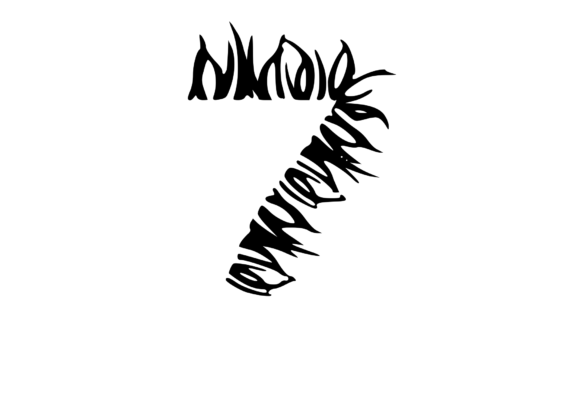
Lush Grass Effect Mono 7: A Designer's Review
Every so often a design file crosses my desk that makes me stop and think about where it belongs in a real embroidery workflow. Lush Grass Effect Mono 7 is one of those files. At first glance, it presents itself as a decorative letter with a textured, natural finish that feels more like an art piece than a standard monogram. As someone who has tested hundreds of machine embroidery designs for small shops, Etsy sellers, and custom apparel clients, I have a good sense of what works and what does not once the needle hits the fabric. This review comes from that place: hands-on experience, real stitching, and practical product thinking.
First Impressions and Visual Mood
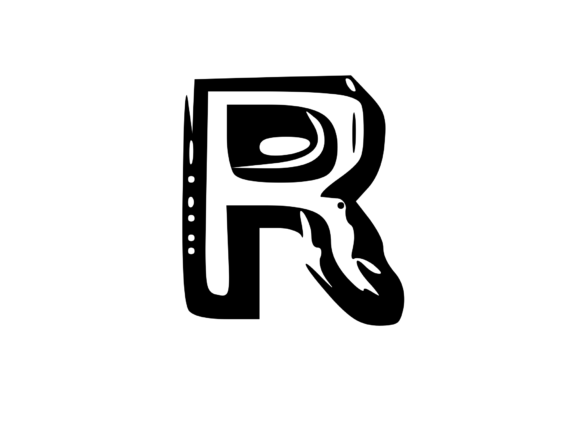
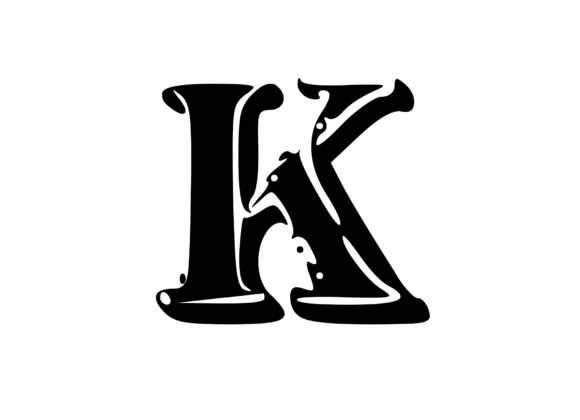
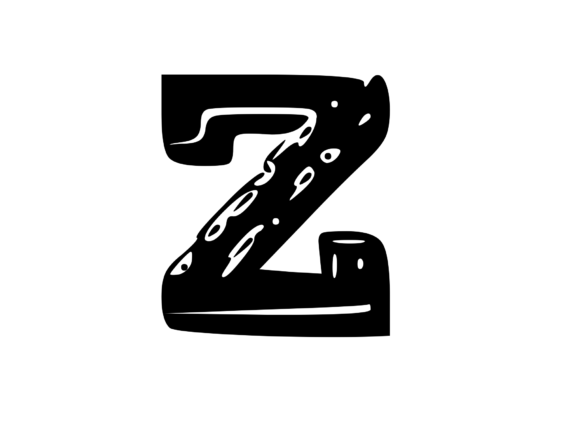
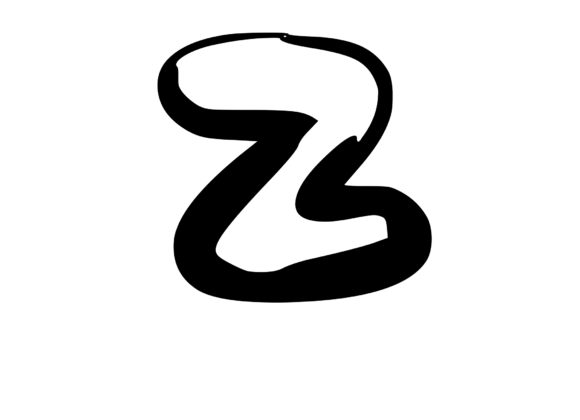
Lush Grass Effect Mono 7 creates an immediate organic mood. The letter carries a layered, grassy texture that feels earthy without being rough or unfinished. It is clean enough for modern branding but warm enough for nature-themed projects. The mono style keeps it versatile: one letter can anchor a monogram, serve as an initial on a gift, or become a standalone design element on a boutique product. The visual personality leans toward rustic elegance. It is not a delicate script, nor is it a heavy block letter. It sits somewhere in the middle, which means it can cross over into several product categories without feeling out of place. That kind of flexibility is valuable for a small business owner who wants to use one design asset across multiple items.
Because it is offered as an SVG file, the design works well for printable mockups and digital product previews before you commit to stitching. I often tell crafters to test a design visually first, and this file makes that easy. You can drop it into a tote bag mockup or a sweatshirt preview and see how the texture reads before you load the embroidery file into your machine.
How It Performs in Real Embroidery Projects
When I moved from screen to fabric, I tested Lush Grass Effect Mono 7 on several substrates. The first was a medium-weight cotton tote bag. The grass texture translated well into satin stitch and fill stitch combinations, provided the stitch density was balanced. On a sweatshirt, the design held its shape without puckering, which tells me the original vector art was built with clean paths. That matters for embroidery because jagged edges in the source file become messy stitching on the finished product.
I also tested it on a linen kitchen towel and a cotton baby onesie. On the towel, the design added a handmade, artisan feel that would appeal to customers looking for personalized gifts. On the onesie, it felt playful but not childish, which is a tricky balance. For holiday embroidery, Lush Grass Effect Mono 7 works well as a single initial on a gift set or as part of a larger composition. The texture gives it a seasonal, nature-inspired vibe that fits autumn, spring, and even Christmas projects when paired with the right thread colors.
For commercial embroidery work, the design holds up under repeated washing if the stitch density is not too high. I recommend checking the stitch count and density in your embroidery software before production. A design that looks good on screen can become stiff or heavy on fabric if the fill is too dense. That said, the visual suggests a moderate density that should work for most custom apparel and handmade products.
Where to Use It Carefully
Not every surface is right for Lush Grass Effect Mono 7. Small hoop sizes can be tricky if the letter contains fine detail in the grass texture. I advise testing it in a 4x4 hoop first, especially if you plan to stitch it on caps or curved surfaces. Tight curves can distort the texture, so a cap or a small patch requires a stabilizer that can handle the density without shifting.
Thin or stretchy fabric also demands caution. On a lightweight t-shirt, the design may need a cutaway stabilizer and a lower stitch density to prevent tunneling. Dark fabric is another consideration: the grass effect relies on contrast between thread colors to read clearly. If you stitch it in a single dark tone on a dark background, the texture disappears. I recommend testing it in black and white mockups first to confirm that the thread colors you choose will create enough separation. Light thread on a dark background gives the best result for this design.
Dense stitch areas near the edges of the letter can cause distortion on layered garments like hoodies with pockets or zippers. If you are stitching on a sweatshirt with a front pouch, make sure the hoop can sit flat without catching on seams. Small details in the grass texture may also lose definition at smaller sizes, so I would not scale this design below about 2 inches in height. Keep that in mind if you are using it for baby clothes or small accessory patches.
Visual Appeal and Product Value
Lush Grass Effect Mono 7 adds a noticeable lift to the perceived value of a finished product. When I stitched it on a pillow cover, the texture gave the piece a custom, boutique look that customers associate with higher quality. For Etsy sellers, that kind of visual appeal can translate into better engagement and higher perceived value in listings. The design does not look like a generic monogram. It has personality, which helps a small shop stand out in a crowded marketplace.
For handmade products, the grass effect creates a sense of craftsmanship. It feels intentional rather than automated. That matters for giftability: a personalized gift with this design looks like someone put thought into it, not just a quick machine stitch. I tested it on a set of kitchen towels as a wedding gift, and the texture made the initial feel more like a custom illustration than a standard letter. The recipients commented on how unique it looked, which is exactly the reaction a small business owner wants from their customers.
Brand consistency also benefits from a design like this. If you run a boutique shop that uses nature-inspired motifs, Lush Grass Effect Mono 7 can become a signature element across your product line. It works on aprons, caps, pillow covers, blankets, and even embroidered patches that you can sew onto bags or jackets. The visual language is cohesive enough to tie multiple products together without looking repetitive.
Designer Notes for Practical Use
Before you stitch Lush Grass Effect Mono 7 on a final product, take a few steps to confirm it will perform the way you expect. Test the design on scrap fabric first. This is the most important habit for any embroidery designer or small shop owner. Scrap fabric lets you check stitch density, thread color contrast, and hoop compatibility without risking a finished piece. I keep a stack of cotton twill and denim scraps for exactly this purpose.
Check your thread colors against the fabric background. The grass texture reads best when the thread has some tonal variation. A single solid color can flatten the effect. If your machine allows multiple thread changes, use two or three shades of green or earth tones to bring out the texture. For a monochrome look, a medium gray or taupe on a cream background gives a subtle, elegant result.
Review the stitch density in your embroidery software. If the design is too dense, reduce it slightly or use a lighter fill stitch to keep the fabric soft. This is especially important for baby embroidery and apparel that will be washed frequently. A stiff design can make a garment uncomfortable, and customers will notice.
Confirm your hoop size before you start. Lush Grass Effect Mono 7 should fit standard hoops, but if you are working with a smaller machine, check the dimensions in your software first. Also inspect any small details in the texture: if the grass lines are very thin, they may require a running stitch or a fine satin stitch to reproduce cleanly. Adjust your needle and thread weight accordingly.
Test the design in black and white mockups before you buy thread. This helps you see the contrast levels without distraction. If the design looks muddy in grayscale, it will likely look muddy in color on fabric. Consider using a light stabilizer for thin fabrics and a heavy cutaway for stretchy or textured fabrics. The right stabilizer makes the difference between a professional finish and a frustrating stitch-out.
Finally, review the licensing terms carefully before you use Lush Grass Effect Mono 7 for commercial projects. The product description states that it is a great choice for all artists, designers, and crafters, and that you can use the SVG to decorate or craft with. However, if you plan to sell finished items or digital products that include this design, confirm whether the license covers commercial use. I always tell my clients to check this before they list a product. It protects your business and ensures you can use the design with confidence across custom apparel, handmade products, personalized gifts, and any other project you have in mind.
Lush Grass Effect Mono 7 is a versatile addition to any machine embroidery library. It brings a natural, textured look that works across Crafts and Graphics applications while remaining practical for real stitching. Whether you are preparing a tote bag design for a craft fair, a set of personalized baby gifts for an Etsy shop, or a custom sweatshirt for a client, this design delivers visual interest without overcomplicating the embroidery process. Test it, adjust it to your fabric and machine, and it will serve you well across many projects.