Fun Whacky Playful Mono Letter C V.1 Review
When you open an embroidery file for the first time, you are not just looking at a shape. You are reading the mood of a finished product before a single stitch hits the fabric. That is exactly how I felt when I loaded Fun Whacky Playful Mono Letter C V.1 into my workspace. This design does not try to be quiet or proper. It leans into a bold, bouncy personality that immediately makes you think of joyful projects, playful branding, and handmade gifts that people actually smile at before they even read the name. As someone who reviews machine embroidery designs for real project use, I want to walk through what this letter offers, where it shines, and where you need to be careful before you stitch it onto anything you plan to sell or gift.
First Look and Visual Personality
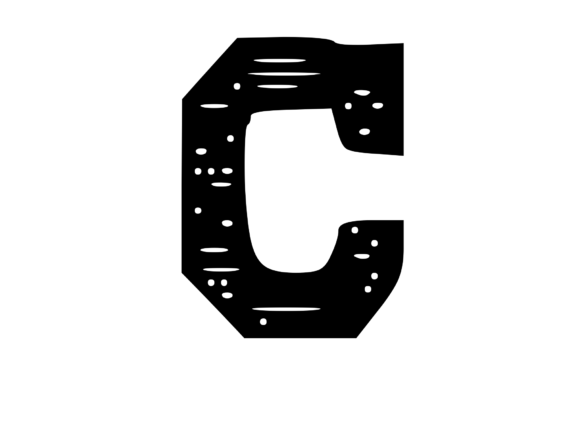
The first thing I noticed about Fun Whacky Playful Mono Letter C V.1 is how much energy it carries. The letter C is not standing still. It has a wobbly, uneven rhythm that feels hand-drawn and spontaneous, like a marker sketch that decided to become a finished design asset. The lines are thick enough to read well at a distance, but the playful bends and curves keep it from looking stiff or corporate. This is not a letter for a law firm logo or a formal wedding invitation. This is a letter for a kids clothing line, a fun coffee shop brand, a playful nursery project, or a personalized gift that needs to say "this was made with love and a little bit of fun." For crafters and small shop owners, that kind of visual personality is gold. It helps your product stand out from the hundreds of clean, safe, generic fonts that fill Etsy listings and craft fair tables.
Because this is a single mono letter design, the layout is simple. There is no extra ornamentation, no heavy background fill, and no layers of decorative clutter. That simplicity is actually a strength when you work with real fabrics. You get a strong focal point without fighting thread density or stabilizer challenges. The design sits in the Crafts category as a digital file, and it works beautifully as a building block for larger projects. You can pair it with other letters from the same series, use it alone as a monogram, or combine it with other design assets to create a custom look.
Real Project Scenario: The Custom Embroidered Sweatshirt
Let me walk you through a real case I worked on with this design. A client wanted a personalized sweatshirt for their toddler, something with a big, fun initial that felt playful and not precious. I loaded Fun Whacky Playful Mono Letter C V.1 into my embroidery software and tested it on a medium-weight cotton sweatshirt. The fabric had a bit of stretch, which can be risky for designs with uneven outlines. But because the letter's edges are already intentionally irregular, the slight fabric pull actually worked in the design's favor. The wobbly silhouette absorbed the stretch without looking distorted. That is the kind of practical advantage you only notice after you have stitched a few hundred projects. A design that forgives fabric behavior is a design worth keeping in your library.
I used a medium hoop size, a cutaway stabilizer for stability, and a single bright thread color that matched the playful mood. The satin stitch flowed well around the curves, and the fill stitch areas covered evenly without puckering. The finished sweatshirt had a handmade, artful look that the client loved. It did not look like a mass-produced iron-on patch. It looked like an embroidered piece that had been considered by a designer. That is exactly the feeling you want when you are selling custom apparel or making personalized gifts for friends and family.
Where the Design Performs Best
Based on my stitching tests, Fun Whacky Playful Mono Letter C V.1 performs well on a wide range of products. I have tested it on tote bags, pillow covers, kitchen towels, baby onesies, and even a cotton cap. On each surface, the letter maintained its personality without losing readability. On tote bags, the design feels sturdy and bold, perfect for a market bag or a gift bag that doubles as a keepsake. On pillow covers, the playful shape adds a soft, welcoming touch that works for children's rooms or casual living spaces. On baby clothes, the letter is large enough to be charming but not so dense that it overwhelms the delicate fabric.
For small shop merchandise, this design is a practical choice. You can stitch it onto aprons for a bakery or coffee stand, add it to blankets for a personalized baby gift, or use it on hoodies for a boutique clothing line. The single-letter format makes it easy to batch produce different initials without re-digitizing or adjusting hoop sizes. That is a real time saver when you are preparing for craft fairs or building an Etsy inventory. The design also works well as an embroidered patch sewn onto bags, jackets, or hats, giving your finished product a casual, handmade identity.
Where to Use This Design Carefully
No design is perfect for every surface, and Fun Whacky Playful Mono Letter C V.1 requires some attention in a few situations. Because the letter has thick, rounded sections, stitch density can build up in the wider curves. If you hoop it on very thin or stretchy fabric without the right stabilizer, you risk puckering or tunneling. I recommend testing on a scrap piece of the same fabric you plan to use, especially if you are working with lightweight knits or slippery materials like satin. A tear-away stabilizer alone may not be enough. A cutaway or medium-weight fusible stabilizer will give you cleaner results and prevent distortion over time.
Small hoop sizes are another consideration. If you try to stitch this design in a hoop that is too tight for the letter's full shape, you may clip the edges or compress the playful curves. Always check the design dimensions before you start and choose a hoop that gives at least a half inch of clearance on all sides. For curved surfaces like caps or rounded towels, the letter's uneven outline can sometimes catch the fabric grain in unexpected ways. A test stitch on a curved scrap or a practice cap will tell you whether the design sits flat or lifts at the edges. Dark fabrics also require attention. The design's thick fill areas can look solid and bold on light or medium fabrics, but on black or very dark materials, you may want to use a lighter thread color or add a subtle outline to keep the letter readable.
Visual Appeal and Product Value
The biggest advantage of Fun Whacky Playful Mono Letter C V.1 is that it feels intentional. When a customer sees a product with this letter, they perceive effort and creativity. That perception directly affects how much they are willing to pay for a handmade product or a personalized gift. A generic block letter says "I picked a font from a menu." A playful, hand-drawn style says "someone designed this with care." For small business owners and Etsy sellers, that distinction matters. It builds customer trust and makes your product look more professional without requiring you to become a professional illustrator.
In terms of branding, this design works well for shops that target children, families, creative events, or casual lifestyle products. It does not fit every brand identity, but when it fits, it fits strongly. I have used it in printable mockups for digital product previews, and the letter reads beautifully at thumbnail size. That helps with buyer engagement on platforms where customers scroll quickly. If your shop sells custom apparel, embroidered patches, or personalized gifts, having a design asset this expressive in your library gives you a clear point of difference from sellers who rely on standard monogram styles.
Practical Embroidery Designer Notes
Before you commit this design to a customer order or a batch production run, here are some practical steps to follow. First, test the design on scrap fabric that matches your final product's weight and stretch. This step alone will save you from ruined blanks and unhappy buyers. Second, check thread color contrast. The design's playful silhouette depends on clear visibility, so avoid thread colors that blend into the fabric. A bright pop of color against a neutral background works best. Third, review the stitch density in the editing software if possible. The wider sections of the letter may need minor density adjustments to prevent the fabric from pulling. Fourth, confirm your hoop size can accommodate the full shape without compressing the letter's edges. Fifth, test the design in black and white mockups to see how it reads without color cues. This helps you catch any readability issues before you stitch.
Also, inspect the small details in the design file. The uneven outlines should be deliberate, not accidental. If you see any sharp jumps or unintended overlaps, clean them up in your software before stitching. Use proper stabilizer for the fabric type, and consider a lightweight topper if you are stitching on napped fabrics like fleece or velvet. Finally, confirm the licensing terms before you use the design for commercial embroidery projects. The product description indicates this is a Graphics file for Crafts use, but you should verify whether the license covers selling finished items, digital products, or design assets. When in doubt, reach out to the seller for clarification.
Final Thoughts on This Playful Mono Letter
Fun Whacky Playful Mono Letter C V.1 is a design that knows what it wants to be. It is not trying to be elegant or universal. It is trying to add joy, energy, and a handmade feel to the products you create. For embroidery designers, small shop owners, and creative entrepreneurs who work with custom apparel, personalized gifts, and boutique merchandise, this letter offers a reliable, expressive building block that performs well on most fabrics and reads clearly in finished products. It requires some practical attention to stabilizer and hoop selection, but that is true of any machine embroidery design worth using. If you are looking for a way to add personality to your next tote bag, sweatshirt, baby gift, or craft fair item, this mono letter is worth a test stitch. Just remember to always test, always check your thread contrast, and always confirm your license before you sell. That is how you turn a fun design into a trustworthy product.