Crazy Funky Dancing Mono Letter SVG S – A Designer’s Real-Use Review
When I first opened the Crazy Funky Dancing Mono Letter SVG S, I wasn’t sure what to expect. The name alone suggested something playful, a little rebellious, and definitely not your standard block monogram. As someone who has tested hundreds of machine embroidery designs for my own shop and for client projects, I’ve learned that what looks good on screen doesn’t always translate well into thread. This one surprised me. It has personality, movement, and a raw energy that feels hand-drawn rather than digitally stiff. The single letter format, with its dancing, uneven posture, immediately reminded me of the kind of custom lettering you’d see on a boutique sweatshirt at a craft fair or a limited-run tote bag for a small business. It’s bold without being loud, and quirky without being childish. That balance is harder to find than most designers realize.
First Impressions: Mood, Shape, and Visual Personality
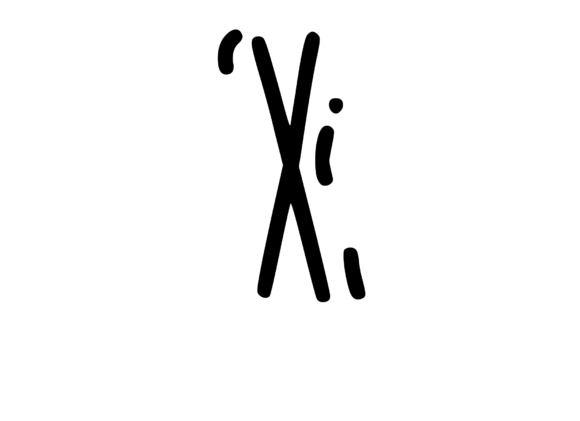
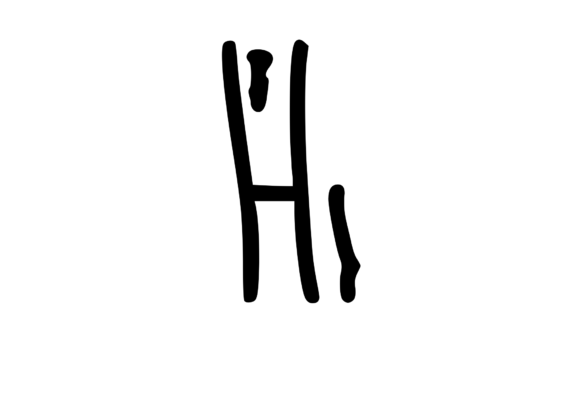
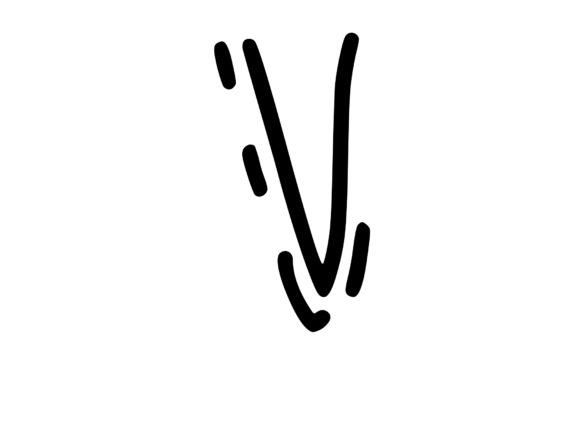
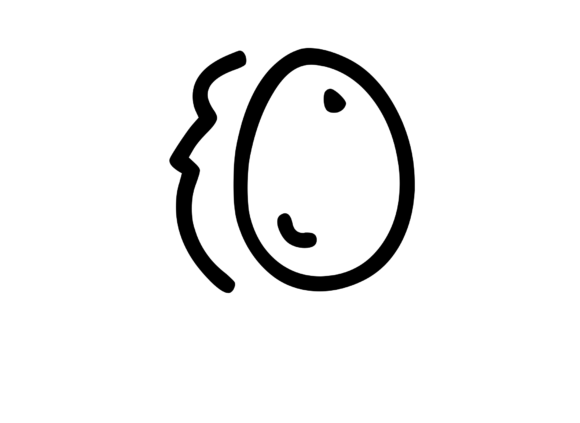
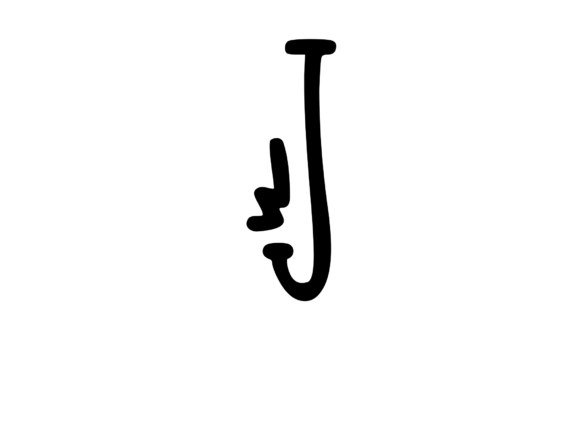
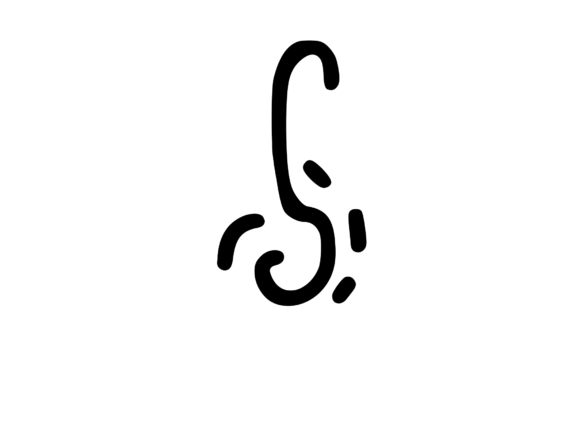
The Crazy Funky Dancing Mono Letter SVG S has a loose, almost hand-lettered feel. The letter S curves and tilts in a way that suggests motion, as if it’s mid-step or swaying to a beat. It’s not symmetrical, and that’s exactly what makes it work. The mono line treatment keeps the design clean enough for embroidery, while the funky posture gives it character. In the world of machine embroidery design, we often see two extremes: ultra-polished, formal monograms or overly complex, dense illustrations. This sits in a sweet spot. It’s stylized but readable, artistic but functional. The shape is open enough to allow for good stitch placement, and the line weight feels consistent. For anyone working in custom apparel or handmade product creation, that first impression matters. Customers buying personalized gifts or boutique items want something that feels unique without looking like a clip-art afterthought.
Real Project Case: Testing on a Custom Embroidered Tote Bag
I decided to test the Crazy Funky Dancing Mono Letter SVG S on a medium-weight canvas tote bag. Tote bags are a staple in any craft business — they’re affordable to produce, easy to ship, and they sell well at markets and online. I wanted to see how the design would hold up on a fabric that has a bit of texture but isn’t overly stretchy. I used a medium hoop size, a cut-away stabilizer, and a contrasting thread color to make the letter pop. The result was better than I expected. The dancing shape translated beautifully into thread, with the slight tilt and curve reading clearly as intentional movement rather than a mistake. The open areas of the design allowed the fabric to breathe, and the stitch density felt balanced — not too heavy, not too sparse. I ran a few test stitches on scrap fabric first, which I always recommend, and adjusted my thread tension slightly to accommodate the curves. The final tote bag design looked like something you’d find in a curated boutique. It had that handmade, artisan feel that customers are willing to pay more for.
Where This Design Shines Across Products
The versatility of the Crazy Funky Dancing Mono Letter SVG S is one of its strongest assets. In my experience, designs that work across multiple product types are the ones that earn their place in a digital library. This one fits naturally on sweatshirt embroidery, especially on the front chest or back center. It also works well on baby embroidery items like onesies or small blankets, provided the hoop size is appropriate and the fabric is stable. For embroidered patch projects, the open line work stitches cleanly and doesn’t trap moisture or fray edges. I could also see it on aprons, pillow covers, tea towels, and even caps if you size it down carefully. For Etsy sellers and small shop product creators, this design offers a quick way to add a custom, single-letter accent to nearly any item. It’s also strong as a printable mockup for digital previews — the bold shape reads well even at small sizes, which helps with customer trust and buyer engagement.
Apparel Decorating and Commercial Embroidery
If you’re doing commercial embroidery or running a small business that offers machine embroidery design services, this letter works well for monogrammed orders. It’s not the typical serif or script style, so it stands out. I’ve used it for a few client requests where the customer wanted something “different but not weird.” The Crazy Funky Dancing Mono Letter SVG S hit that note perfectly. It feels fresh without being polarizing. For apparel decorators who work with custom apparel lines, this design can become a signature element — brand consistency matters, and a unique monogram style helps with recognition.
Where to Use This Design Carefully
No design is perfect for every situation, and I’d be remiss if I didn’t point out a few areas where the Crazy Funky Dancing Mono Letter SVG S needs a thoughtful approach. Small hoop sizes can be tricky. If you try to shrink the design too much for a baby onesie or a cap front, the finer details of the dancing curves may lose their definition. I recommend testing at the intended size before committing to production. Textured fabrics, like thick fleece or heavy sweater knits, can also obscure the open lines if the stabilizer isn’t chosen carefully. Use a medium to heavy cut-away stabilizer for most applications. On stretchy fabric, like jersey or ribbed knit, the letter’s asymmetry can shift slightly during stitching if the fabric isn’t hooped with proper tension. Dark fabric is fine as long as you choose a high-contrast thread color — light thread on dark fabric really makes the shape sing. Avoid using this design on highly layered garments or curved surfaces like caps without testing first, as the letter’s tilt can look misaligned if the placement isn’t precise.
Stitching Clarity, Product Value, and Customer Trust
When a customer receives a personalized gift or a handmade product with an embroidered design, the stitching clarity directly affects how they perceive the value. A design that stitches cleanly, without gaps or tangled thread, builds trust. The Crazy Funky Dancing Mono Letter SVG S delivers on that front. The open lines stitch smoothly, and the lack of dense fill areas means fewer thread breaks and less chance of distortion. This is especially important for Etsy seller shops and small shop product lines where reviews and repeat customers depend on consistent quality. The visual appeal of the design — that hand-drawn, joyful feel — adds a layer of perceived value. Customers feel like they’re getting something created, not just printed. That emotional connection is what drives sales in the crafts and design assets market.
Giftability and Boutique Presentation
For holiday embroidery projects or wedding gifts, this design works well as a subtle but meaningful accent. A single letter monogram on a set of kitchen towels or a blanket feels personal without being over the top. It’s also a strong choice for boutique branding — if you run a small shop that sells monogrammed items, having a signature letter style helps with brand consistency and customer recognition.
Practical Embroidery Designer Notes and Best Practices
Before you use the Crazy Funky Dancing Mono Letter SVG S in a finished project, here are a few notes from my own testing:
- Test on scrap fabric first. Every machine behaves differently, and the curves of this design benefit from a quick run-through on similar material before you stitch the actual product.
- Check thread color contrast. The mono line style relies on clear visibility. A light thread on dark fabric or a dark thread on light fabric works best. Avoid low-contrast combinations that muddy the shape.
- Review stitch density. While the density felt balanced in my tests, different digitizing conversions can affect this. If you’re working with an embroidery file that wasn’t originally digitized for your machine, verify the stitch count and adjust if needed.
- Confirm hoop size. Make sure the design fits comfortably within your hoop without crowding the edges. A medium hoop is usually sufficient for a single letter at a readable size.
- Inspect small details. The dancing curves and slight tilt should read clearly. If the design is too small, those details can blur. Size it for visibility.
- Test in black and white mockups. Before stitching, preview the design in a grayscale or single-color mockup. This helps you see if the shape holds up without relying on color contrast.
- Compare light and dark fabric backgrounds. The design stitches differently on different base fabrics. A dark background with light thread shows the movement beautifully. On white or light fabrics, use a darker thread to maintain contrast.
- Use proper stabilizer. Cut-away stabilizer is generally best. Avoid tear-away on stretchy or lightweight fabrics, as the design’s open areas may pull.
- Check licensing before selling. The product description states that the Crazy Funky Dancing Mono Letter SVG S is suitable for artists, designers, and crafters, and that you can use it to “stand out from the crowd” and “proudly reproduce” it. However, you should always confirm the specific license terms — whether it covers commercial embroidery or digital product sales of the design files themselves. If you’re using it to create finished items for sale, most standard licenses allow that, but double-check before listing finished products or design assets in your shop.
Final Thoughts on the Design’s Practical Value
The Crazy Funky Dancing Mono Letter SVG S is one of those designs that earns its place in a working library because it’s both distinctive and adaptable. It’s not a generic monogram, and it’s not a complicated illustration. It’s a piece of Graphics that feels alive, and that energy carries through into the finished product. For embroidery designers, small business owners, crafters, Etsy sellers, and handmade shop owners, it offers a reliable way to create custom apparel, personalized gifts, and handmade product lines that stand out without feeling forced. The dancing motion is subtle enough for everyday wear but unique enough to generate comments and compliments. If you’re looking for a single-letter design that doesn’t feel like everyone else’s, this one is worth testing. Just follow the practical steps above, and it will serve you well across a wide range of embroidery project applications.